Japan has a way of making familiar travel experiences feel completely different. A busy train station can run with remarkable precision, a centuries-old temple can sit just a few streets from a modern shopping district, and a small neighborhood restaurant can become one of the most memorable stops of an entire trip.
For travelers considering where to go in 2026, Japan remains one of the most versatile destinations in Asia. You can build a trip around food, history, nature, design, nightlife, or simply the pleasure of exploring somewhere that feels very different from home.
Why Japan stands out in 2026
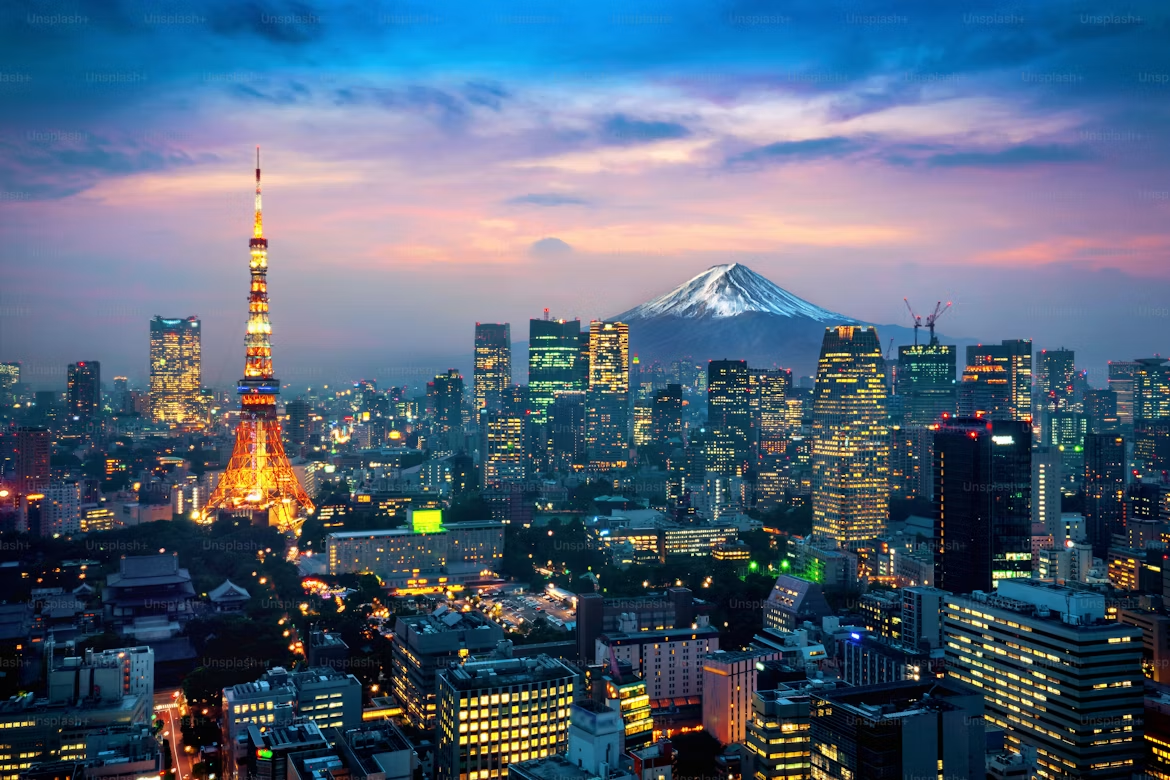
Japan appeals to a wide range of travelers because there is no single way to experience it. Tokyo offers almost endless choices for dining, shopping, entertainment, and neighborhoods to explore. Kyoto provides a slower introduction to traditional architecture, gardens, temples, and Japanese crafts. Outside the major cities, the country opens up into mountain towns, coastal communities, hot spring resorts, and rural landscapes.
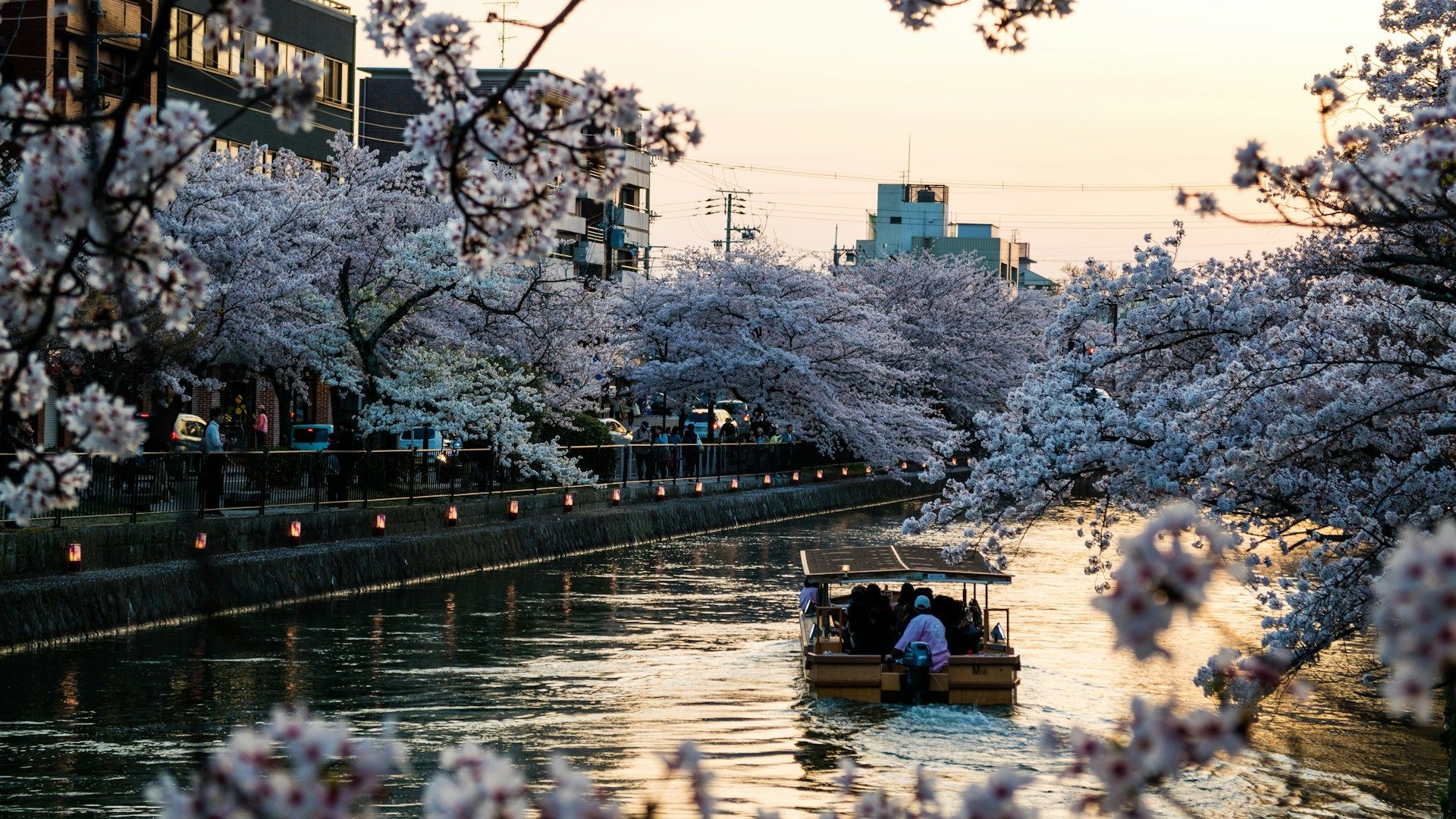
Japan is also a destination where the seasons can significantly change the experience. Spring is associated with cherry blossoms, autumn brings colorful foliage, and winter offers snow-covered landscapes and some of the country's best conditions for skiing and hot spring trips.
Tokyo: Start with the energy of the city
Tokyo is often the first stop for international visitors, and its size can be overwhelming at first. Rather than trying to see everything, choose a few neighborhoods and explore them properly.
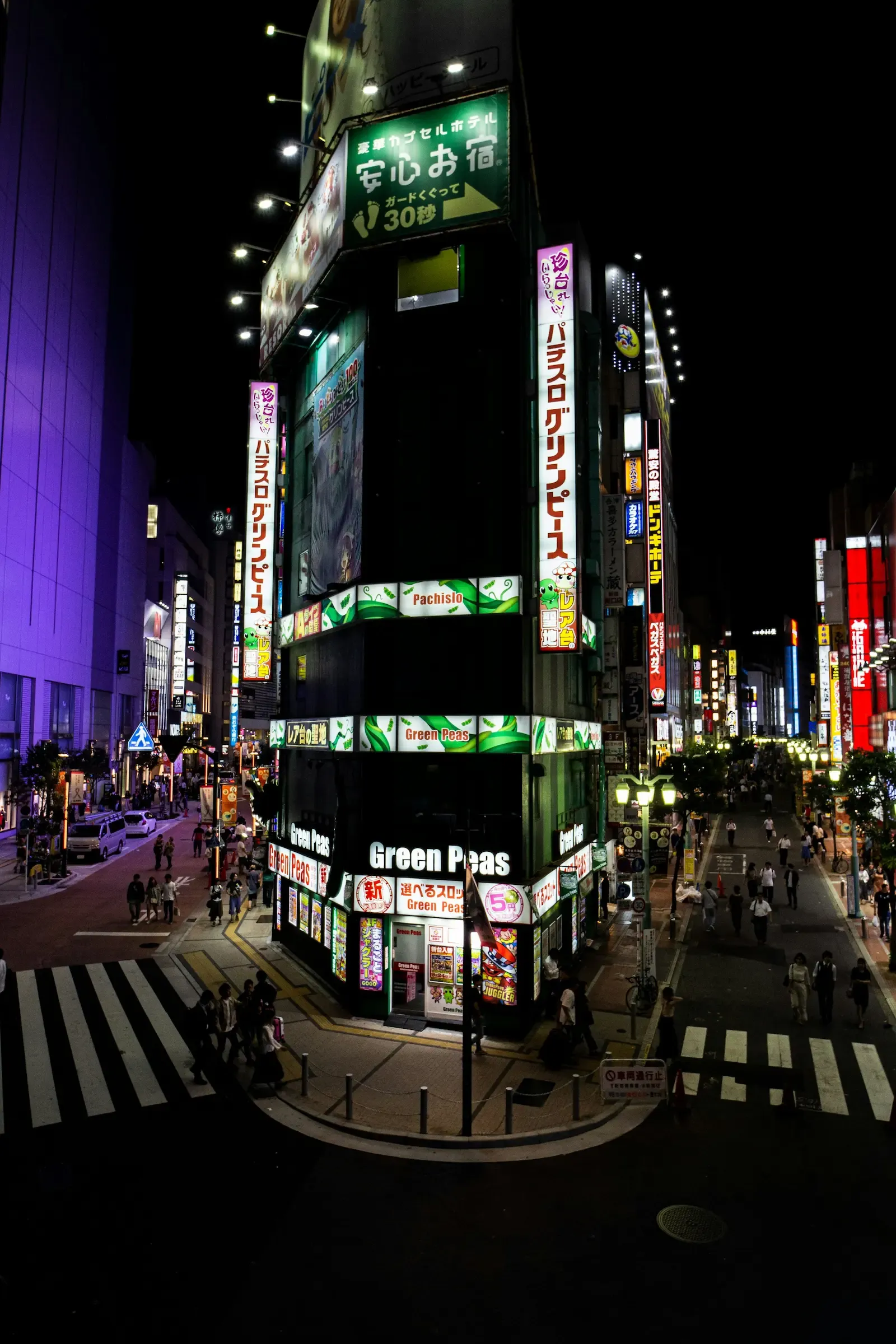
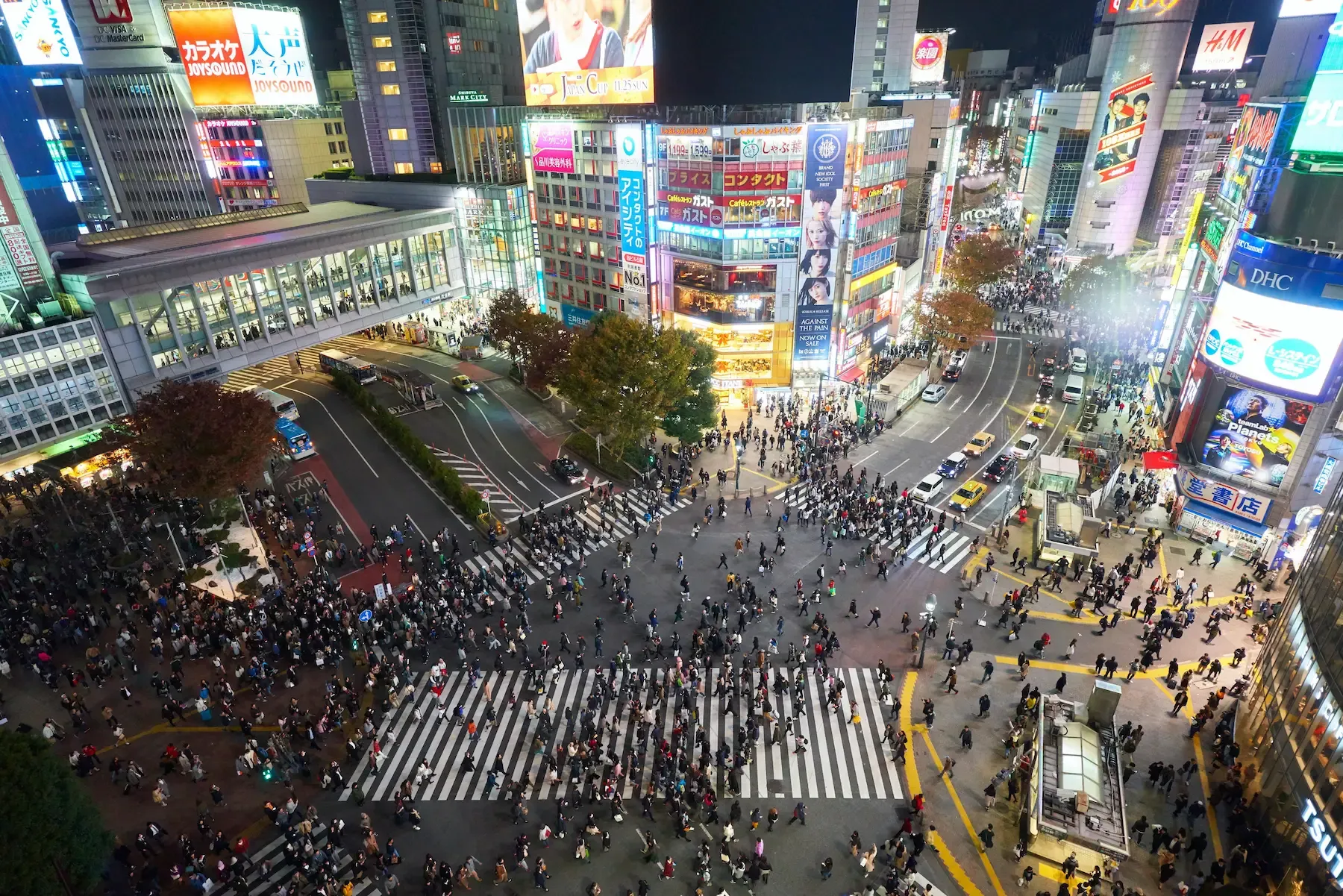
Shibuya and Shinjuku offer the famous big-city experience, while areas such as Asakusa provide a different perspective through traditional streets and historic sites. For food lovers, Tokyo is particularly rewarding because excellent restaurants range from tiny neighborhood counters to sophisticated dining rooms.
Give yourself enough time to wander without a fixed schedule. Some of the city's best discoveries happen between the major attractions.
Kyoto for history and traditional culture
Kyoto is one of the best places in Japan to slow down. Its temples, gardens, traditional neighborhoods, and tea culture provide a sharp contrast to Tokyo's pace.
The city's most popular sights can become extremely busy, particularly during peak seasons. Starting early in the morning and exploring less-famous neighborhoods can make a significant difference.
Travelers interested in Japanese culture should also leave time for smaller experiences such as visiting a local market, trying a traditional meal, or exploring one of Kyoto's craft districts.
Go beyond Tokyo and Kyoto
One of the biggest mistakes first-time visitors make is treating Japan as a two-city destination. The country has far more to offer.
Osaka is known for its casual food culture and lively atmosphere. Hiroshima provides an important historical perspective and makes a natural base for visiting Miyajima. The Japanese Alps offer mountain scenery and traditional towns, while Hokkaido is particularly appealing for travelers interested in nature, skiing, and cooler climates.
Choosing one additional region rather than trying to cover the entire country can make a two-week itinerary considerably more enjoyable.
Japan is also a destination for food
Japanese food goes far beyond sushi. Depending on where you travel, you can try regional ramen, okonomiyaki, yakitori, soba, udon, fresh seafood, wagashi sweets, and countless local specialties.
Food is also one of the easiest ways to experience the differences between regions. Osaka's casual street-food culture feels very different from the refined dining traditions found in Kyoto, while northern regions are known for seafood and hearty dishes suited to colder weather.
When should you visit Japan?
There is no single best month for the entire country. Spring and autumn are popular because of comfortable weather and seasonal scenery, but that popularity also means higher demand in many destinations.
Winter can be an excellent choice for travelers interested in skiing, snow-covered landscapes, and hot springs. Summer is warmer and more humid in many parts of the country, but it can be a good time to explore northern Japan and enjoy festivals.
Before booking, consider what you actually want from the trip rather than choosing a season simply because it is considered the traditional best time to visit.
How long should you spend in Japan?
A week is enough for a focused introduction to Tokyo and Kyoto, but around 10 to 14 days gives first-time visitors considerably more flexibility.
With two weeks, a route such as Tokyo, Kyoto, Osaka, and one additional region can provide a good balance between major attractions and slower travel. Avoid adding too many destinations simply to increase the number of places on your itinerary. Japan's transportation system makes it possible to move quickly, but constantly changing hotels can still make a trip feel rushed.
Is Japan worth visiting in 2026?
For travelers looking for a destination that combines cities, history, food, nature, and distinctive cultural experiences, Japan remains an unusually complete choice.
The key is not trying to experience all of Japan in one trip. Choose a few places, leave room for unplanned discoveries, and pay attention to the differences between regions. That approach can turn a familiar first-time itinerary into a much more rewarding journey.