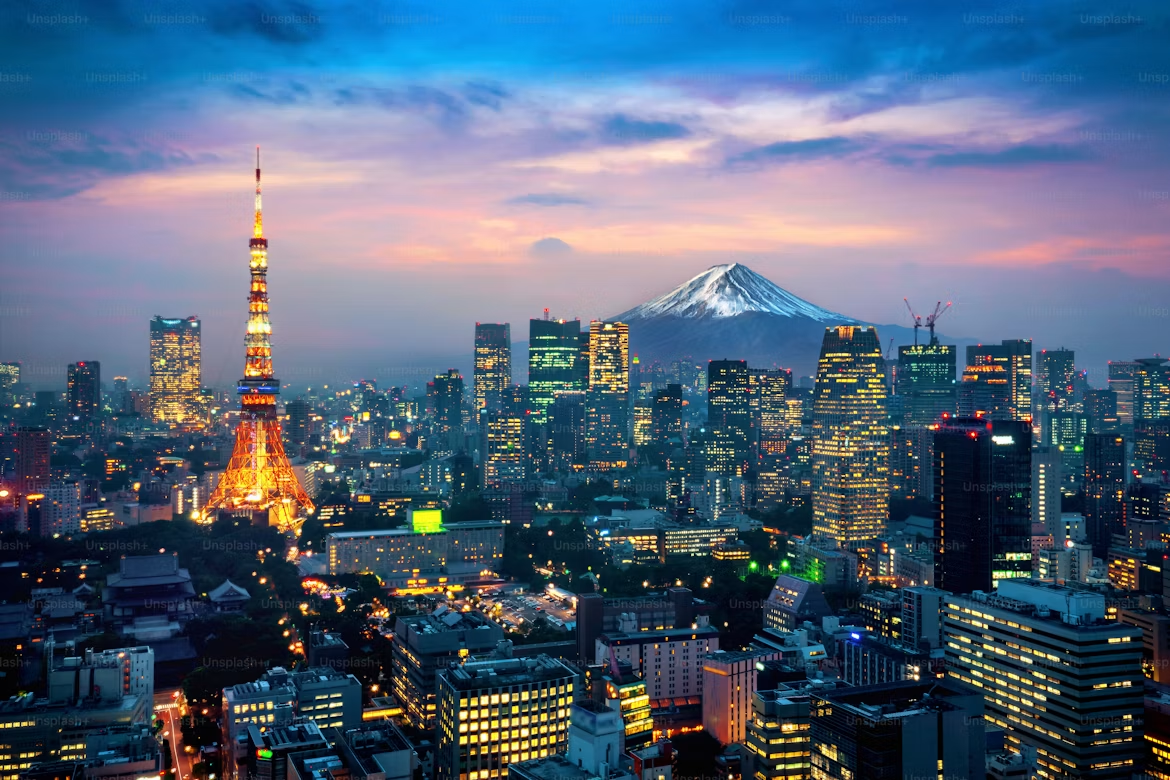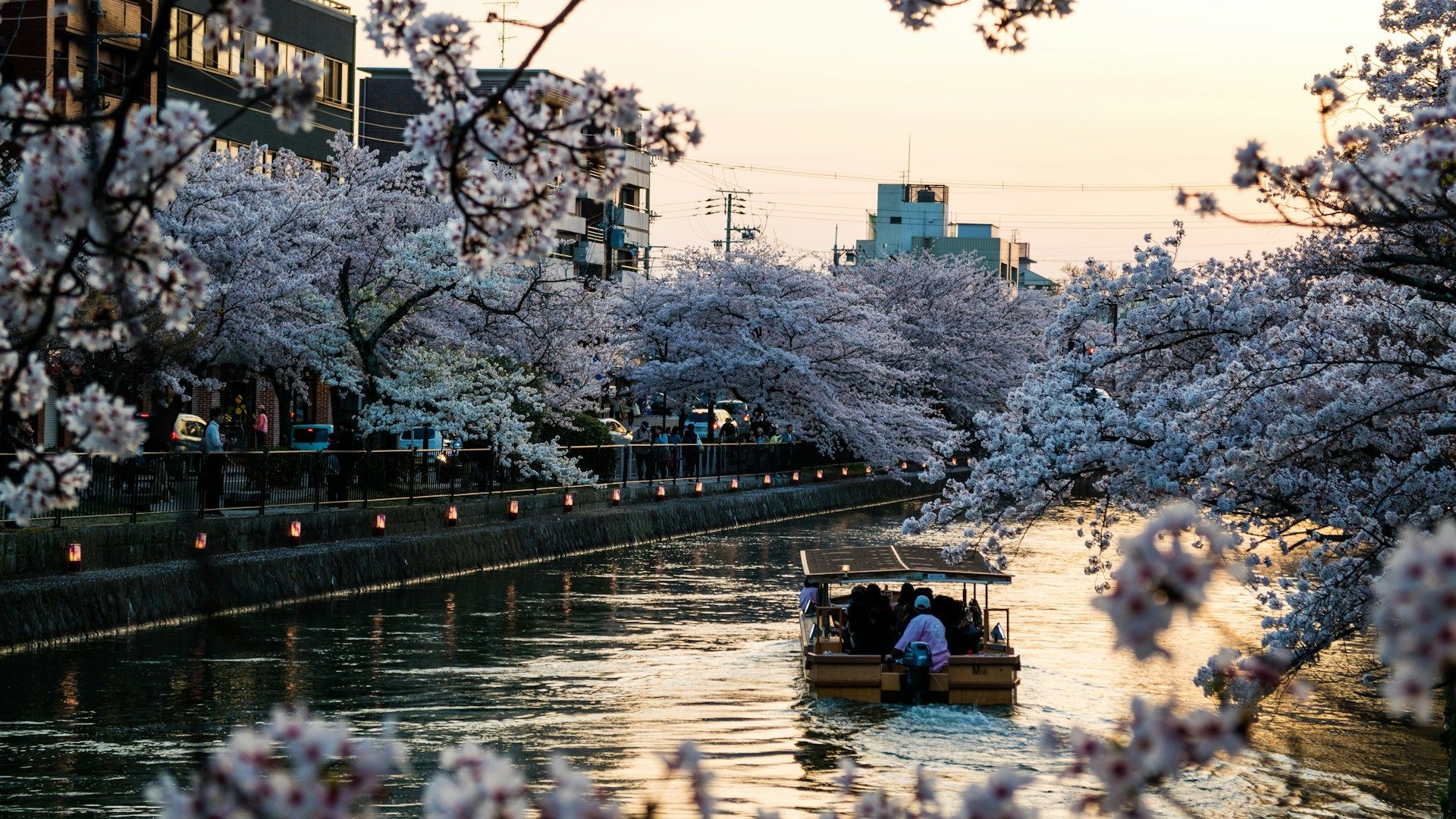
Choosing where to stay in Tokyo is less about finding the city's single “best” neighborhood and more about choosing the version of Tokyo you want outside your hotel door.
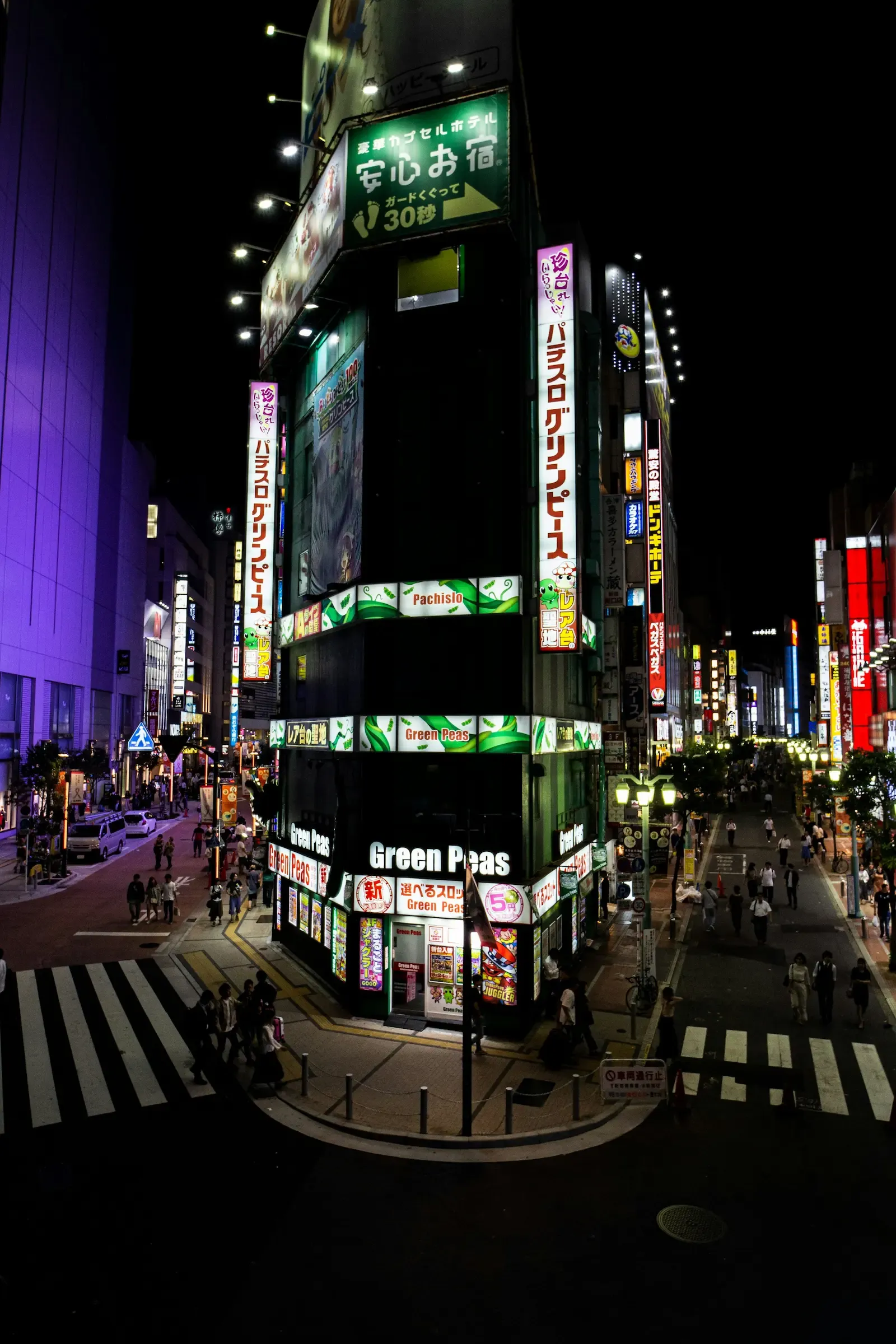
Stay in Shinjuku and you can step into neon streets, department stores and late-night restaurants. Choose Asakusa and mornings begin in a quieter, older part of the city near Senso-ji. Shibuya puts contemporary Tokyo almost immediately outside your door, while Ueno offers a more relaxed base with museums, markets and useful transport connections.
For a first visit, location matters. Tokyo's rail network makes it easy to move around, but the city is enormous. Staying in the right area can mean fewer unnecessary transfers and more time actually exploring.
If you're still deciding how long to spend in the city, start with our guide to how many days you need in Tokyo.
Where should a first-time visitor stay in Tokyo?
For most first-time visitors, Shinjuku is our best all-around choice.
It combines excellent transport connections with restaurants, shopping and nightlife, and it works particularly well if your itinerary includes western Tokyo neighborhoods such as Shibuya and Harajuku.
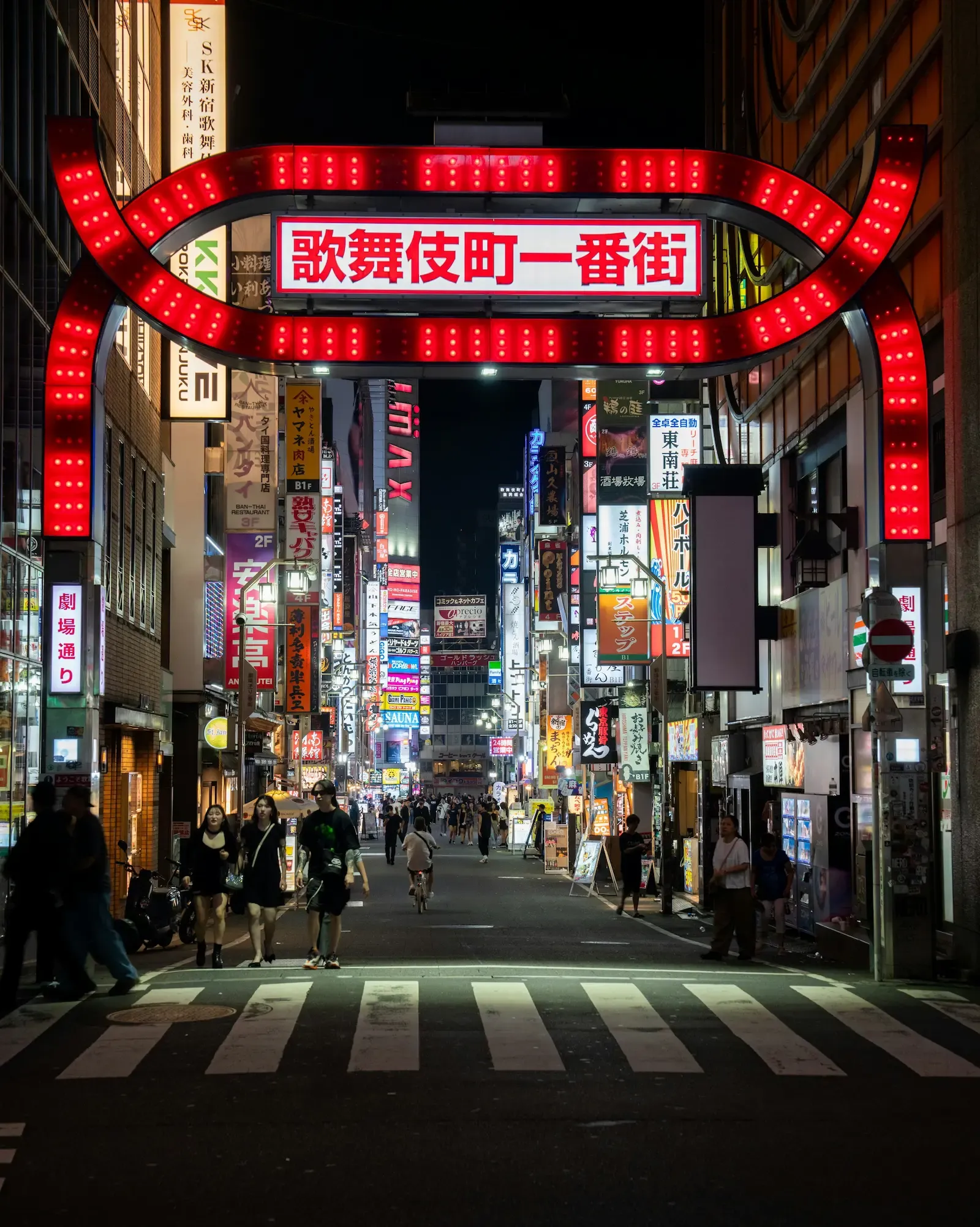
But Shinjuku isn't automatically right for everyone.
If nightlife and contemporary Tokyo matter most, consider Shibuya. For temples and a more traditional atmosphere, Asakusa makes more sense. Ueno is particularly appealing for museums and a somewhat calmer base, while Ginza and the Tokyo Station area work well for travelers who value central positioning, polished surroundings or easy onward rail travel.
Here's the short version:
| Area | Best for | Atmosphere |
|---|---|---|
| Shinjuku | First-time visitors who want everything nearby | Busy, energetic, neon-lit |
| Shibuya | Nightlife, fashion and modern Tokyo | Young, lively, contemporary |
| Asakusa | Traditional atmosphere and sightseeing | Historic, relaxed, atmospheric |
| Ueno | Culture, museums and good value | Local, cultural, less intense |
| Ginza | Shopping, dining and upscale stays | Polished, sophisticated, central |
| Tokyo Station / Marunouchi | Transport and short stays | Central, convenient, businesslike |
Shinjuku: the best all-around base for a first Tokyo trip
Shinjuku can feel overwhelming when you first arrive. Its station is enormous, crowds move in every direction and the neighborhood changes character depending on which exit you take.
That intensity is also part of what makes it such a useful place to stay.
The area has extensive rail and subway connections, putting much of Tokyo within relatively easy reach. Shibuya is only a short ride away, while trains and metro lines connect Shinjuku with central and eastern parts of the city. Official Tokyo tourism information describes the area around the station as a sprawling mix of skyscrapers, shopping streets, cafés, bars and restaurants.
For travelers who want to leave the hotel in the evening without immediately boarding another train, Shinjuku is particularly convenient. Restaurants, department stores, izakaya and entertainment continue well after many sightseeing districts have quieted down.
Who should stay in Shinjuku?
Choose Shinjuku if this sounds like your trip:
- It's your first visit to Tokyo.
- You want excellent transport connections.
- You like having restaurants and nightlife close to your hotel.
- Your itinerary includes Shibuya, Harajuku or western Tokyo.
- You don't mind crowds and a fast-paced environment.
The downside
Shinjuku Station can be confusing, especially during the first day or two. The neighborhood is also one of the busiest places in Tokyo, so travelers looking for quiet streets outside their hotel may prefer somewhere else.
Where within Shinjuku you stay matters too. A hotel close to the station can save considerable walking time compared with one that simply uses “Shinjuku” in its address.
Our take: For a first Tokyo trip where convenience matters more than tranquility, Shinjuku is difficult to beat.
Shibuya: best for nightlife and modern Tokyo
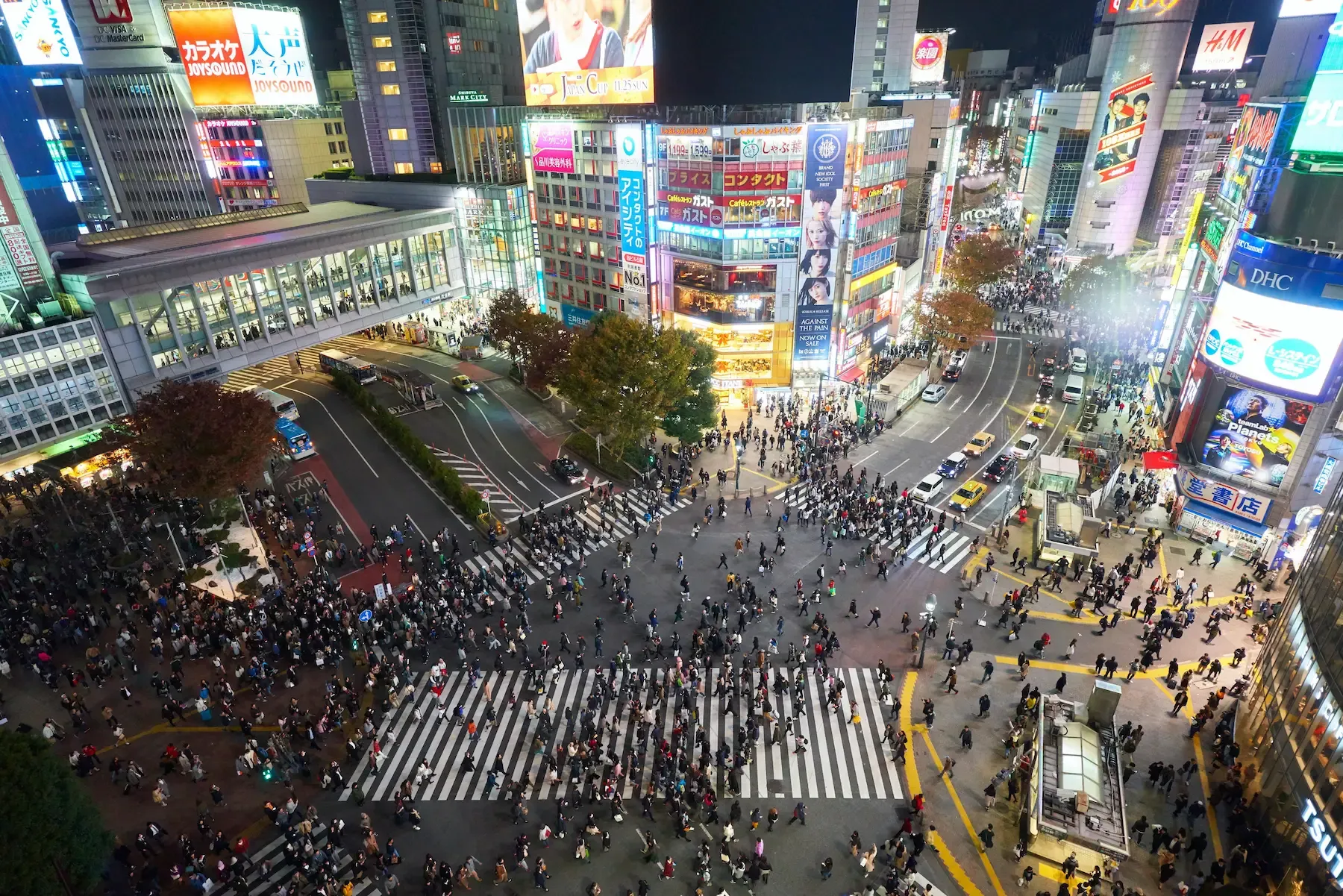
If your mental picture of Tokyo involves giant screens, fashion, packed crossings and streets that remain active late into the evening, Shibuya delivers almost immediately.
The neighborhood is one of Tokyo's major centers for contemporary culture, shopping and entertainment. Shibuya Scramble Crossing sits at its heart, while cafés, restaurants, shops and bars spread through the surrounding streets.
Shibuya also works well geographically for exploring Harajuku, Omotesando and other parts of western Tokyo. Harajuku is even reachable on foot if you don't mind walking.
Who should stay in Shibuya?
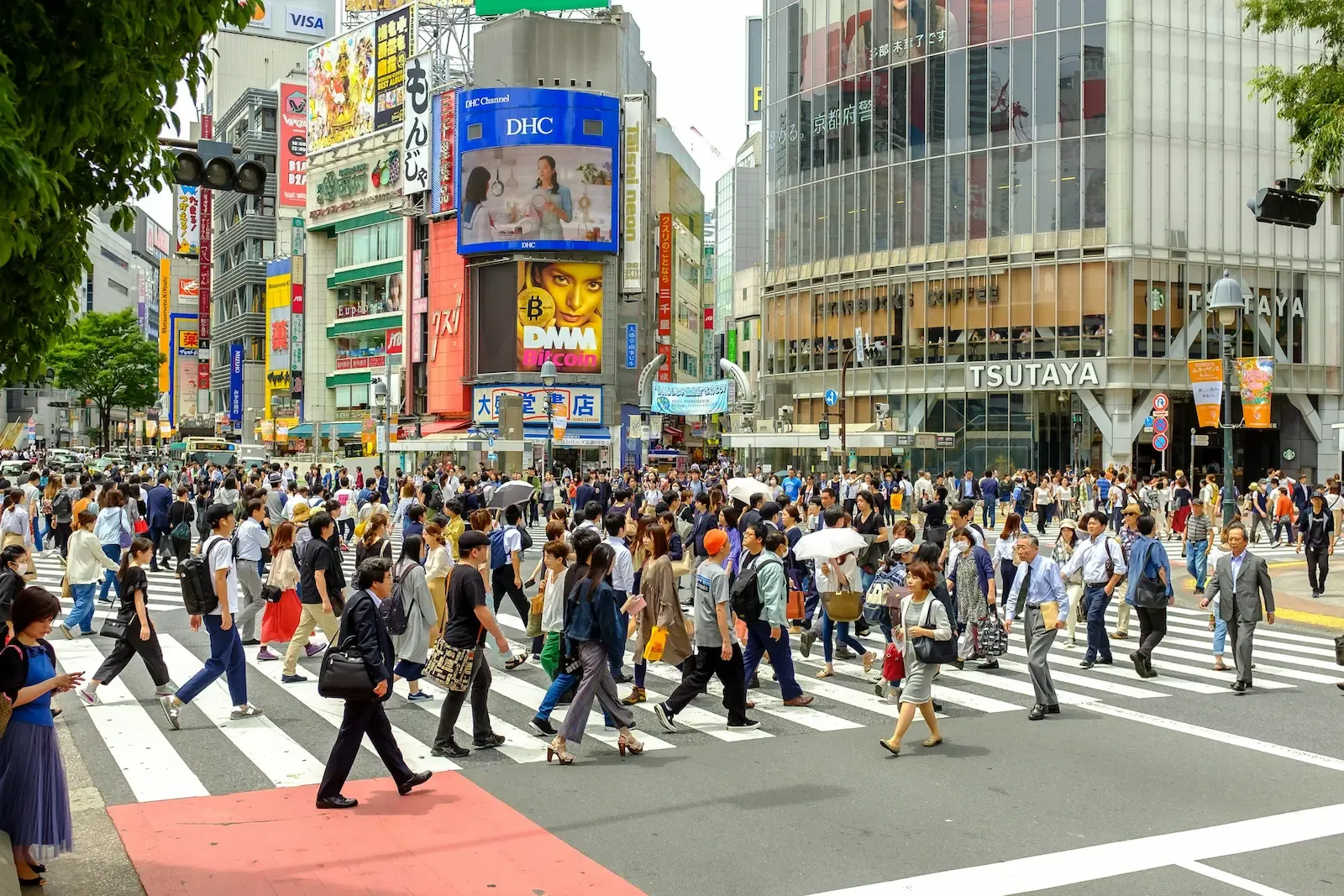
Shibuya is particularly good for:
- younger travelers
- couples who want restaurants and bars nearby
- nightlife
- shopping and fashion
- first-time visitors prioritizing western Tokyo
- travelers who enjoy being in the middle of the action
The major advantage is what happens after sightseeing ends. Instead of commuting back to your hotel after dinner or drinks, you may already be in the neighborhood where you want to spend the evening.
The downside
Shibuya is busy and accommodation can be expensive. Travelers who prefer quiet mornings, traditional streets or a slower atmosphere may find it exhausting after several days.
Our take: Pick Shibuya over Shinjuku if nightlife, food and contemporary Tokyo matter more to you than having the most practical all-purpose transport base.