Tokyo has a way of making almost any itinerary feel too short.
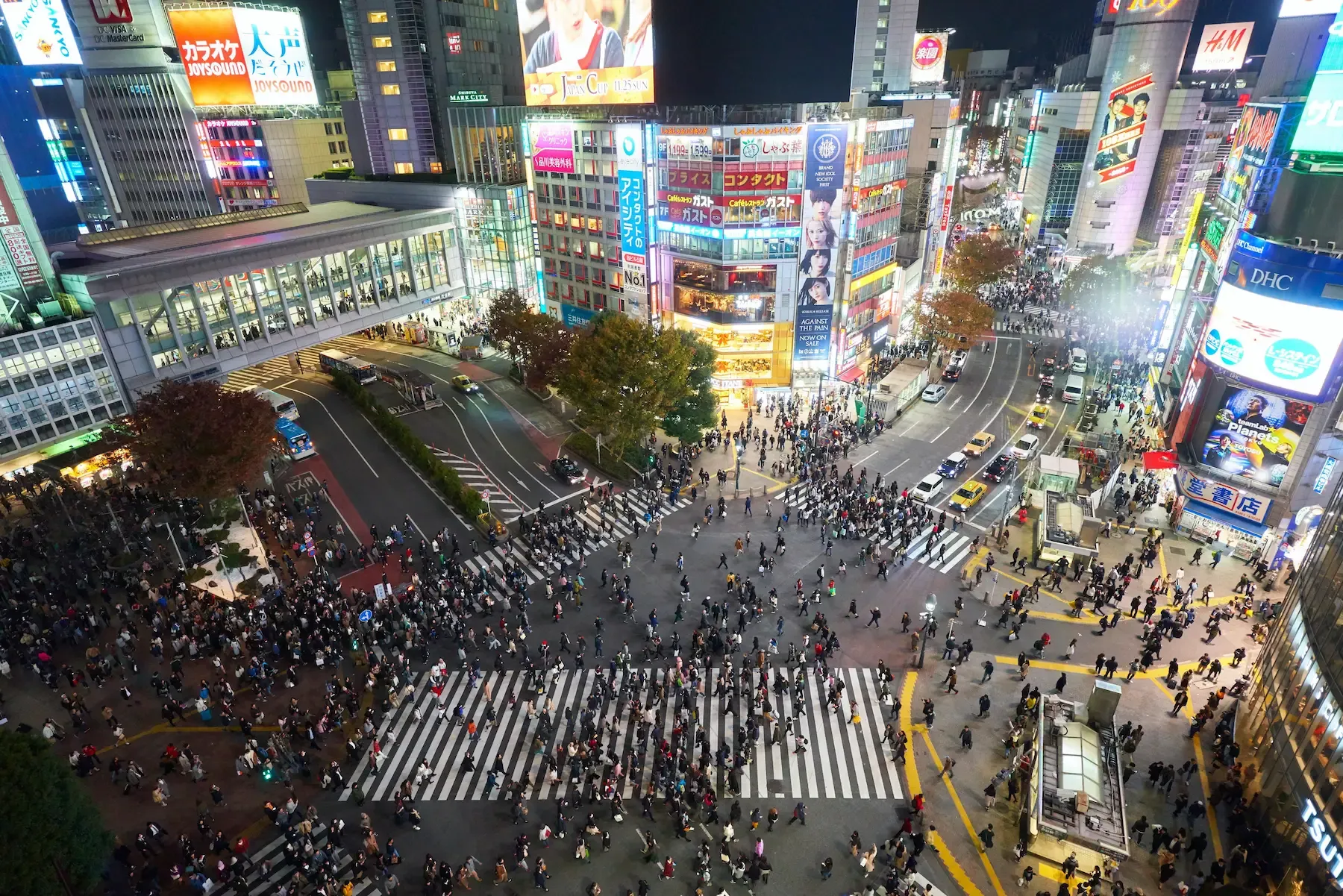
You can spend a morning among the temples and old shopping streets of Asakusa, cross the city for the polished storefronts of Omotesando, watch Shibuya fill with people after dark, and still finish the day with the feeling that you barely scratched the surface.
That makes one of the simplest questions about a first trip surprisingly difficult: how many days do you actually need in Tokyo?
For most first-time visitors, four to five full days is the sweet spot. Three days can work if Tokyo is one stop on a longer Japan trip. Five days gives you enough time to see the city's major neighborhoods without treating every day like a race. Six or seven days is even better if you enjoy slower travel, have specific interests, or want to take a day trip.
The important word here is full. Your arrival day after an international flight is not necessarily a full Tokyo day, and neither is a day spent outside the city simply because you're sleeping in Tokyo that night.
There is also no realistic number of days in which you can "finish" Tokyo.
That's not the goal.
The better question is how much time you need to experience a version of Tokyo that feels satisfying rather than rushed.
How many days do you need in Tokyo?
Here's the short version.
| Time in Tokyo | Best for | Our take |
|---|---|---|
| 2 days | Stopovers and very tight itineraries | Too short for most first visits |
| 3 days | Travelers fitting Tokyo into a larger Japan trip | Doable, but busy |
| 4 days | First-time visitors with limited time | A great minimum |
| 5 days | Most first-time visitors | Our pick |
| 6–7 days | Slower travel, special interests or a day trip | Excellent |
| 8+ days | Travelers who want to explore beyond the obvious | Easy to fill |
Tokyo's official tourism organization publishes both three-day and five-day itineraries. Its five-day guide recommends at least five days for seeing the major sights without rushing and, importantly, organizes much of the trip geographically rather than sending travelers back and forth across the city.
That's a useful way to think about Tokyo.
How many days you need depends less on how many attractions you can fit into a spreadsheet and more on how you use each day.
Is 2 days in Tokyo enough?
Two days is enough to visit Tokyo.
It isn't enough to understand much of it.
If you have only two full days, resist the temptation to turn them into a compressed five-day itinerary. Pick a few areas that show different sides of the city and accept that you're getting an introduction.
A sensible two-day trip could look something like this:
Day 1: East Tokyo
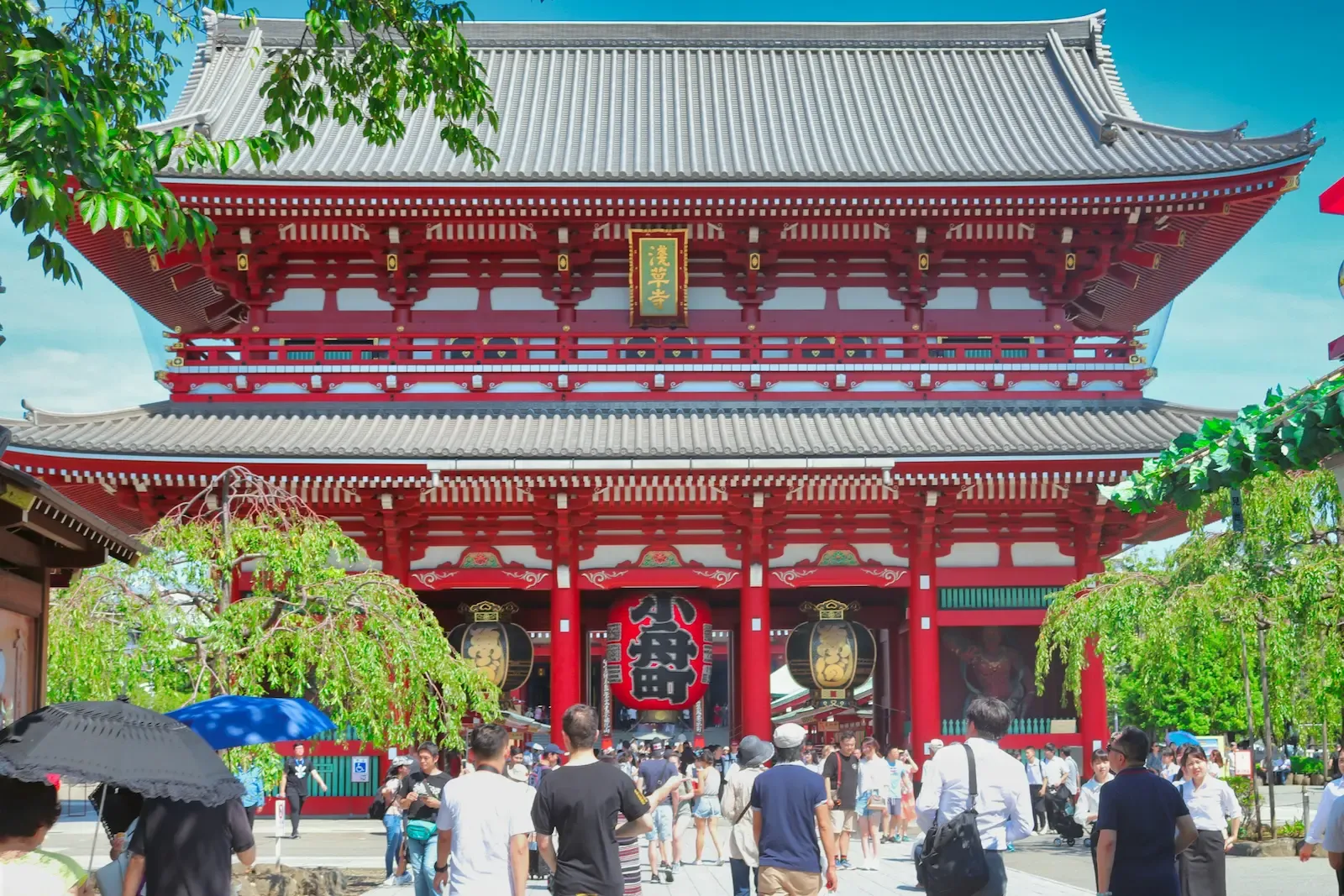
Start around Asakusa, where Senso-ji and the surrounding streets offer a glimpse of an older Tokyo. From there, continue toward Ueno or Akihabara, depending on whether museums and parks or electronics, gaming and anime are more your thing.
Day 2: West Tokyo
Spend the second day around Harajuku and Shibuya, then continue toward Shinjuku for the evening.
That's already a substantial amount of Tokyo.
What we wouldn't recommend is adding Tokyo Station, Ginza, Odaiba, Roppongi and three observation decks simply because Google Maps says they're technically reachable.
Two days works best when you make peace with what you won't see.
If Tokyo is one of the main reasons you're traveling to Japan, give it more time.
3 days in Tokyo: enough for the essentials
Three full days is where a first Tokyo trip starts to become much more workable.
You can experience several of the city's most recognizable areas and get a useful contrast between traditional neighborhoods, major commercial districts and Tokyo after dark.
One way to structure it is:
Day 1: Asakusa, Ueno and Akihabara
Begin with Senso-ji and the streets around Asakusa before moving west toward Ueno. If you're interested in Akihabara, continue there later in the day.
These areas make much more sense together than combining Asakusa with somewhere on the opposite side of Tokyo just because both appeared on a "must-see" list.
Day 2: Harajuku, Omotesando and Shibuya
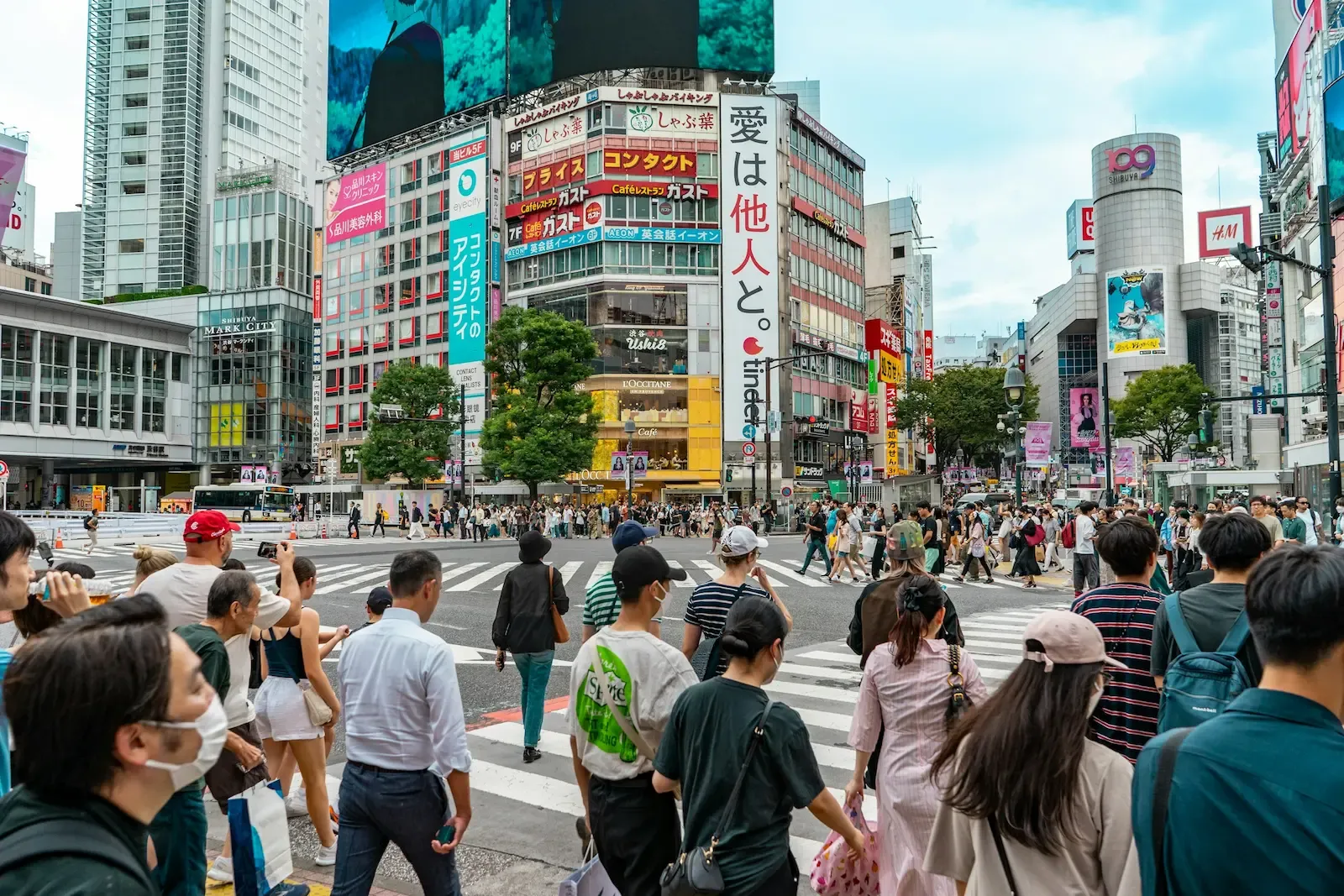
Start around Meiji Jingu, continue through Harajuku and Omotesando, and let the day naturally lead toward Shibuya.
This is one of those Tokyo days where walking between neighborhoods is part of the experience rather than wasted transit time.
Day 3: Central Tokyo and Shinjuku
Use your final day for an area such as Tsukiji and Ginza before heading west toward Shinjuku later on.
The exact attractions can change. The principle shouldn't: build the day around areas that fit together.
Three days is enough if you're comfortable moving at a fairly energetic pace. It works particularly well on a longer Japan trip where Kyoto, Osaka and other destinations also need room.
But you'll probably leave with a long list of things you didn't get to.
That's normal.
4 days in Tokyo: the best minimum for a first trip
Four full days is where Tokyo begins to feel less like a logistical challenge and more like a city you're actually spending time in.
The extra day doesn't sound dramatic, but it changes the rhythm of the trip.
Instead of asking:
"How many things can we squeeze into Shibuya before we have to leave?"
you can spend a few hours there, stop when somewhere looks interesting, have an unplanned coffee or meal, and still know another part of the city doesn't have to be sacrificed.
For many first-time visitors, we'd consider four full days the best minimum.
You could loosely divide them into:
- East Tokyo
- Shibuya, Harajuku and Omotesando
- Shinjuku and nearby areas
- Central Tokyo plus whatever interests you most
That fourth day also gives you room to personalize the trip.
Someone interested in food will use it differently from someone interested in architecture, vintage shopping, museums, anime or photography.
And that's when a Tokyo itinerary starts becoming your Tokyo itinerary rather than a collection of places everyone else told you to visit.
5 days in Tokyo: the sweet spot
If you're planning your first trip and your overall Japan itinerary allows it, we'd choose five full days in Tokyo.
Five days doesn't make Tokyo small. It simply gives you enough breathing room to stop fighting its size.
Tokyo's official tourism guide similarly recommends at least five days for seeing the city's major sights without rushing, organizing its sample itinerary across different parts of the city.
With five days, you can still see the famous Tokyo that brought you here: Asakusa, Shibuya, Shinjuku, Harajuku, Ginza and whichever major attractions matter to you.
But you also gain something more valuable:
choice.
You can spend half a day focused on food.
You can visit a museum without worrying that it has destroyed the day's schedule.
You can shop without setting a timer.
You can stay in a neighborhood after sunset because you like it there.
You can discover somewhere that wasn't on your itinerary and actually have time to see where the street goes.
That's an underrated part of travel in Tokyo.
The city rewards curiosity, and extremely tight itineraries leave surprisingly little room for it.
Five days also lets you spread the headline neighborhoods across more manageable days rather than stacking them together.
For most first-time visitors, this is the balance we'd choose between seeing enough and still enjoying where you are.
6–7 days in Tokyo: when the city starts to open up
A week in Tokyo is not too long.
The mistake is assuming that seven days means spending seven days visiting increasingly obscure attractions simply to fill the schedule.
Extra time changes how you can experience the city.
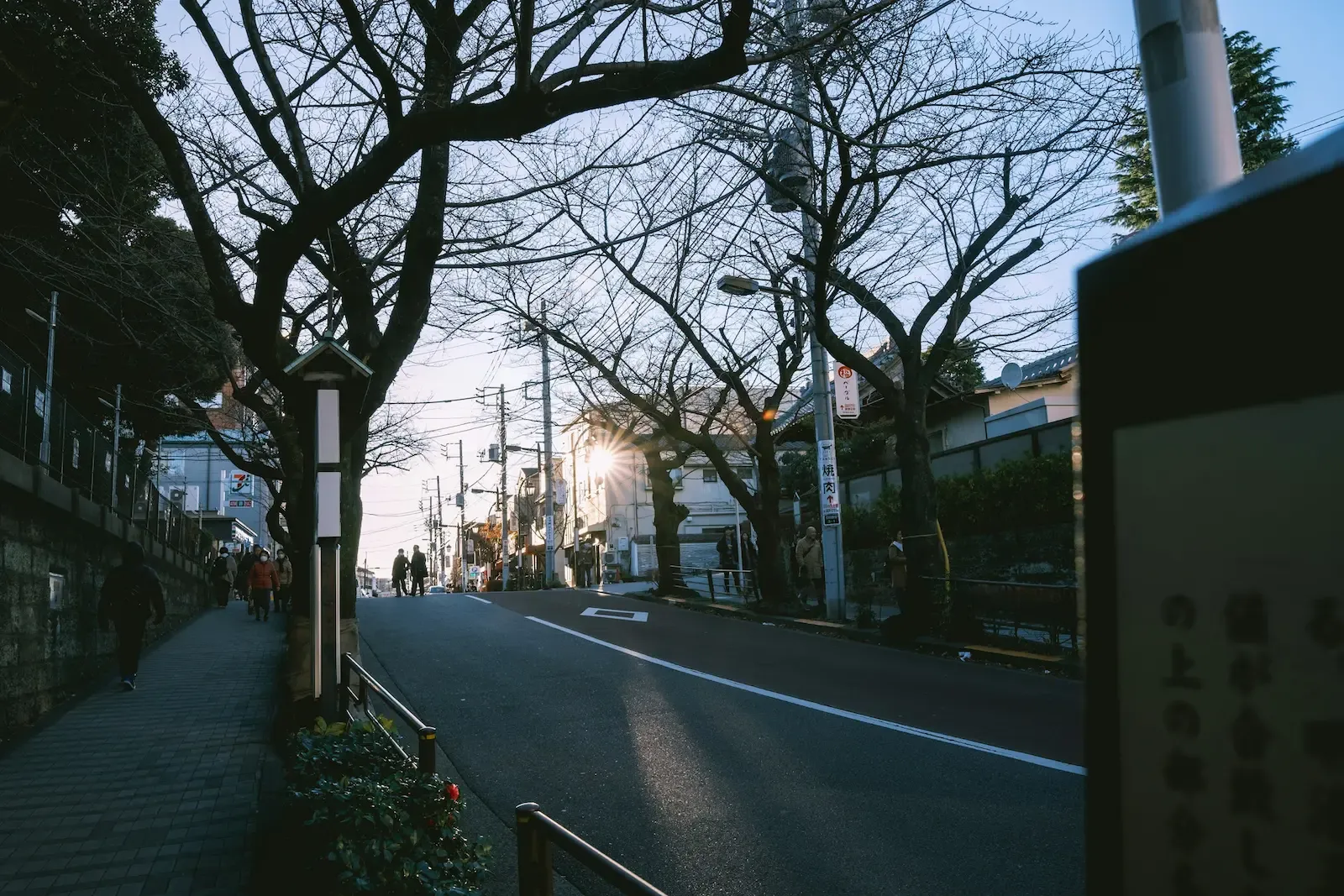
Once you've covered the neighborhoods highest on your list, you can explore places such as Yanaka, Kichijoji, Shimokitazawa or Koenji, depending on your interests.
These aren't substitutes for Shibuya or Asakusa. They show you something different.
You can have a morning where the objective is simply walking.
You can return to an area you liked instead of treating every neighborhood as a one-time stop.
You can dedicate time to record shops, cafés, small galleries, parks, architecture or food without needing those things to qualify as major tourist attractions.
And if you want a day trip, six or seven days gives you room to take one without dramatically shrinking your Tokyo experience.
For travelers who love large cities, food, street photography, shopping, contemporary culture or neighborhood exploration, a week in Tokyo can disappear remarkably quickly.
How to group Tokyo neighborhoods
One of the easiest ways to make Tokyo exhausting is planning attraction by attraction instead of area by area.
Tokyo's transport network is exceptional, but that doesn't mean you should spend your holiday constantly moving between railway lines.
A better strategy is to group neighborhoods geographically.
West Tokyo
A day can naturally connect places such as:
Harajuku → Omotesando → Shibuya
Shinjuku can form another substantial part of western Tokyo, particularly if you want to stay into the evening.
East Tokyo
Think:
Asakusa → Ueno → Akihabara
You don't necessarily need to visit all three on the same day, but they make more geographical sense together than pairing each one with a distant neighborhood.
Central Tokyo
Areas around Tokyo Station, Marunouchi, Ginza and Tsukiji can be combined depending on what you want to see.
The point isn't to create rigid zones.
It's to reduce unnecessary transit.
A good Tokyo itinerary shouldn't feel like this:
Train → attraction → train → attraction → train → attraction.
Some of the best parts of the city happen between the places you planned to see.
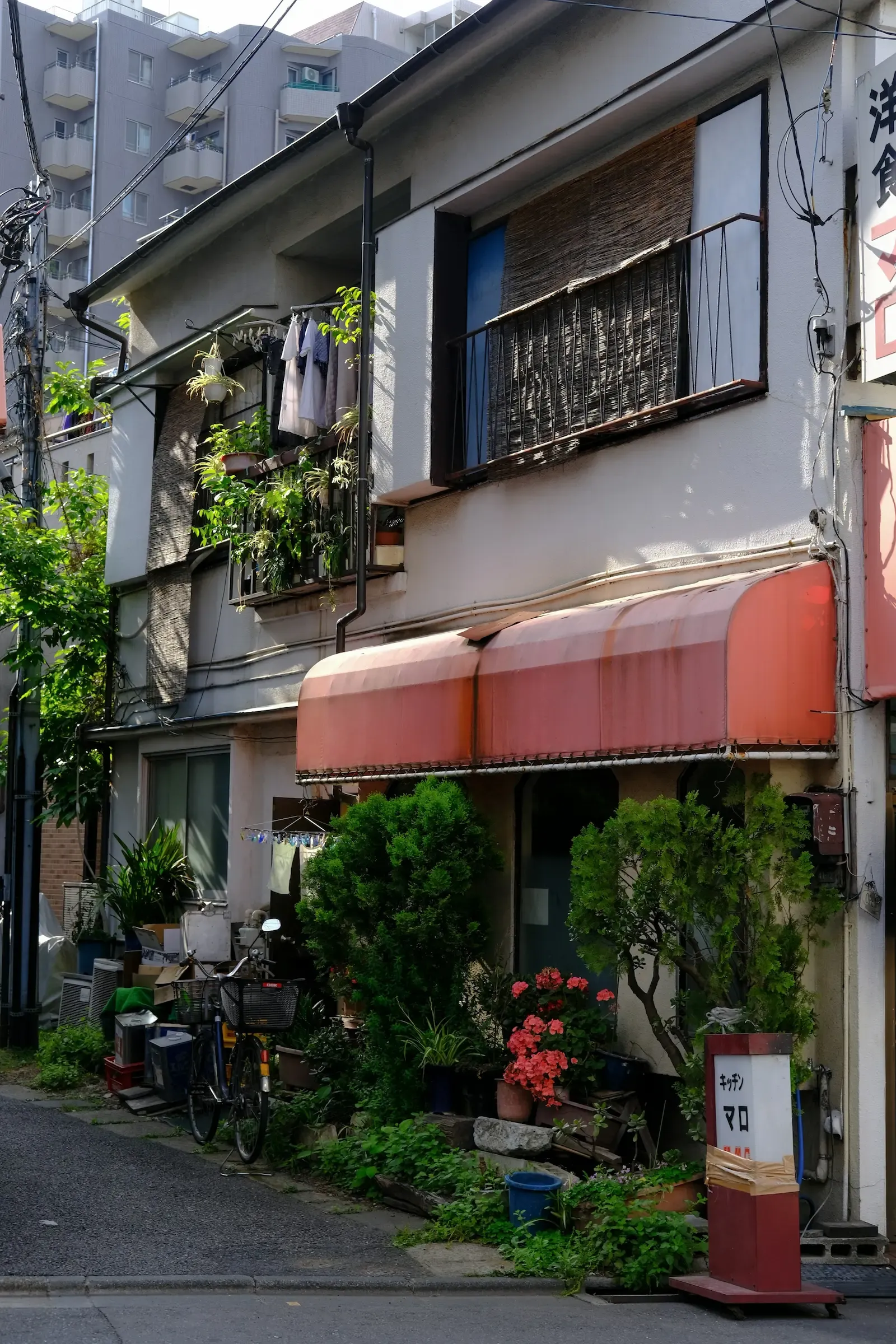
Walking from one neighborhood into another lets Tokyo change gradually around you: residential streets become shopping districts, tiny restaurants appear beneath railway tracks, and suddenly the city you've been navigating as a transit map starts making more sense at street level.
Should you include a day trip?
This is where counting Tokyo days gets misleading.
Imagine you've booked five nights in Tokyo and plan a full-day trip outside the city.
You may be based in Tokyo for five days, but you don't have five days to explore Tokyo.
That distinction matters when you're building a larger Japan itinerary.
Places such as Kamakura, Nikko and Hakone are commonly considered from Tokyo, but a proper day trip consumes most of a day. Don't quietly add one to an already packed four-day Tokyo itinerary and assume nothing has changed.
If you have only three or four full days on your first visit, we'd usually prioritize Tokyo itself unless the day trip is particularly important to you.
With six or seven days, the decision becomes much easier.
And remember that a day trip isn't automatically better just because you've heard you should take one.
If you're having a fantastic time in Tokyo, staying in Tokyo is also a perfectly legitimate travel decision.
Where should you stay on a short Tokyo trip?
The shorter your visit, the more valuable a convenient location becomes.
If you have three or four days, staying somewhere with strong rail connections can save meaningful time over the course of the trip.
That doesn't mean there is one universally "best" neighborhood.
Shinjuku may work brilliantly for one traveler while another prefers Shibuya, Ueno, Asakusa or somewhere quieter.
What matters is the relationship between where you're staying and what you intend to do.
For a short first trip, we'd prioritize:
- easy access to a useful train or subway station
- straightforward connections to the neighborhoods you plan to visit
- food and basic conveniences nearby
- an area you'll actually enjoy returning to at night
With five or more days, you have a little more freedom to choose accommodation based on neighborhood character rather than pure transportation efficiency.
And don't underestimate the last point.
Your hotel neighborhood isn't just where you sleep. You'll see it early in the morning, return to it when you're tired, look for dinner there when plans change and probably learn its nearest convenience store unusually well.
Common Tokyo planning mistakes
Tokyo isn't particularly difficult to travel around once you understand the basics.
It is, however, very easy to over-plan.
Counting arrival day as a full sightseeing day
A flight lands at 3 p.m., therefore you'll be exploring Shibuya by 4 p.m.
On paper.
In reality, you still have immigration, luggage, airport transport, finding your hotel and potentially a considerable time-zone difference to deal with.
Treat arrival day as a bonus.
If you have energy, go out. Eat something. Walk around the neighborhood. Enjoy the fact that you're finally in Tokyo.
Just don't build an important sightseeing schedule that depends on everything going perfectly.
Trying to cross Tokyo repeatedly
Excellent public transportation can create false confidence.
Yes, you can travel from one side of Tokyo to another several times in a day.
The better question is why you would want to.
Repeated transfers consume time and, more importantly, break the flow of a day.
Group areas whenever possible.
Scheduling every hour
Reservations are necessary for certain experiences and restaurants.
That doesn't mean every hour needs an assignment.
Tokyo is a particularly bad city in which to eliminate spontaneity because there is so much to discover at street level.
Leave gaps.
Treating every famous place as mandatory
Your first trip doesn't need to contain every Tokyo landmark you've ever seen online.
If you're not interested in an attraction, skipping it doesn't make the trip incomplete.
Use the famous places as options, not obligations.
Trying to finish Tokyo
This may be the biggest planning mistake of all.
Tokyo isn't a city you finish.
Eight days won't do it. Neither will two weeks.
Once you accept that, planning gets much easier.
Instead of trying to see all of Tokyo, you can choose a collection of experiences that gives you a memorable first encounter with it.
There will be more neighborhoods.
More restaurants.
More museums.
More streets you didn't walk down.
That's part of the appeal.
So, how many days should you choose?
If Tokyo is part of a longer Japan trip, the answer comes down to priorities.
Choose 3 days if...
You're working with a tight itinerary and Tokyo is only one part of the trip.
Three full days can give you an excellent introduction if you group neighborhoods carefully and accept that you'll miss plenty.
Choose 4 days if...
It's your first visit, time is limited, but you don't want every day to feel rushed.
For us, four full days is the point where a Tokyo itinerary becomes comfortably workable.
Choose 5 days if...
You have the flexibility.
This is our recommendation for most first-time visitors.
Five full days provides enough time for the major neighborhoods, personal interests and a little spontaneity without taking an unreasonable share of a typical Japan itinerary.
Choose 6–7 days if...
Tokyo itself is a major reason for your trip, you prefer traveling slowly, or you want to include a day trip.
A week also makes much more sense for travelers whose interests go beyond the headline sights.
Whatever number you choose, don't measure the success of your trip by how many pins disappeared from your Google Maps list.
Tokyo is enormous.
Leave something for next time.
Frequently asked questions
Is 3 days enough in Tokyo?
Yes. Three full days is enough for a first introduction to Tokyo, particularly if you're also visiting Kyoto, Osaka or other parts of Japan. You'll need to prioritize and group nearby neighborhoods, and the pace will be relatively busy.
Is 5 days too long in Tokyo?
Not for most first-time visitors. Five days is actually our preferred length for a first trip because it gives you time for the major neighborhoods without requiring an aggressively packed schedule.
How many days should I spend in Tokyo on a 10-day Japan trip?
For a first 10-day trip that also includes Kyoto and Osaka, roughly four days in Tokyo can work well, although the exact split depends on your interests and whether travel days are included in those ten days.
If you're still deciding where else to go, start with our Japan destination guide.
Should I spend more time in Tokyo or Kyoto?
It depends on what you're traveling for. Tokyo generally rewards travelers interested in big-city neighborhoods, food, shopping, contemporary culture and nightlife, while Kyoto offers a very different concentration of historic sites, temples, gardens and traditional streetscapes.
You can explore our Tokyo guide and Kyoto guide before deciding how to divide your time.
Does a day trip count as one of my Tokyo days?
For accommodation, yes. For sightseeing, no. If you're staying in Tokyo for five days but spend one full day outside the city, you effectively have four days available to explore Tokyo itself.
Asakusa: best for traditional Tokyo atmosphere
Asakusa feels noticeably different from Shinjuku and Shibuya.
The neighborhood is centered on Senso-ji, Tokyo's oldest temple, with the Kaminarimon gate and Nakamise shopping street forming one of the city's most recognizable historic areas. Walk away from the busiest sightseeing route and the scale changes quickly: smaller buildings, traditional shops and quieter streets replace the giant screens and department stores of western Tokyo.
Staying here also lets you experience the area before and after the biggest daytime crowds arrive. Senso-ji and the surrounding streets feel very different early in the morning or later in the evening.
Who should stay in Asakusa?
Asakusa works especially well for:
- travelers interested in temples, traditional streets and older Tokyo
- couples looking for a more atmospheric base
- photographers who want early-morning access to Senso-ji
- visitors who prefer quieter evenings
- travelers spending significant time in eastern Tokyo
The downside
Asakusa is less convenient if much of your itinerary revolves around Shibuya, Shinjuku and western Tokyo. You can reach those neighborhoods easily enough by public transport, but you may spend more time crossing the city.
The nightlife is also much quieter than in Shinjuku or Shibuya.
Our take: Stay in Asakusa if waking up near temples and traditional streets sounds more appealing than having Tokyo's biggest nightlife districts outside your door.
Ueno: best for culture, museums and a less intense base
Ueno is sometimes overlooked by first-time visitors, but it combines culture, transport and everyday city life unusually well.
Ueno Park sits beside the station and contains several major museums, including the Tokyo National Museum and National Museum of Western Art, along with Shinobazu Pond and Ueno Zoo. On the other side of the station, Ameyoko brings a completely different atmosphere with market stalls, casual restaurants and small shops.
Transport is another advantage. Ueno Station is served by JR and Tokyo Metro lines, and some Shinkansen services also stop here.
Who should stay in Ueno?
Choose Ueno if you:
- enjoy museums, parks and cultural attractions
- want a calmer base than Shinjuku or Shibuya
- plan to explore Asakusa and eastern Tokyo
- like inexpensive restaurants and market streets nearby
- value strong rail connections without major nightlife outside your hotel
Families may also appreciate having Ueno Park and several attractions concentrated within a relatively small area.
The downside
Ueno does not deliver the futuristic Tokyo atmosphere many first-time visitors imagine. Nightlife is more limited, and travelers focused heavily on Shibuya, Harajuku and Shinjuku will regularly cross the city.
Our take: Ueno is one of the most underrated bases for travelers who value culture and convenience more than nightlife.
Ginza: best for shopping, dining and a polished central location
Ginza represents a more refined side of Tokyo.
Historic department stores, luxury boutiques, galleries and restaurants line broad avenues and smaller side streets. Kabukiza Theatre adds a traditional cultural landmark to a district better known internationally for shopping.
The location is practical too. Ginza has access to several Tokyo Metro lines, and Tokyo Station is nearby. That makes it a strong base for travelers who want central positioning without the visual intensity of Shinjuku or Shibuya.
Who should stay in Ginza?
Ginza is particularly good for:
- couples
- food-focused travelers
- luxury travelers
- shoppers
- visitors who prefer polished surroundings
- travelers who want a central base
The downside
Accommodation can be expensive, and Ginza would not be our first choice for travelers looking for Tokyo's most energetic late-night atmosphere. Budget travelers will generally find better value elsewhere.
Our take: Ginza is an excellent choice when comfort, restaurants and a central location matter more than nightlife.
Tokyo Station and Marunouchi: best for transport and short stays
Few places in Tokyo are as practical as the area around Tokyo Station.
For travelers arriving or departing by Shinkansen, staying nearby removes an entire layer of logistics. It is especially useful if Tokyo is one part of a larger Japan itinerary and you are continuing to destinations such as Kyoto or Osaka.
Marunouchi, immediately west of the station, has a polished business-district atmosphere with office towers, restaurants and hotels. The Imperial Palace grounds are nearby, while Ginza is also within easy reach.
Who should stay near Tokyo Station?
Consider the area if:
- you are staying in Tokyo for only a few nights
- you have an early Shinkansen departure
- Tokyo is part of a multi-city Japan itinerary
- you value transportation convenience
- you plan to make rail day trips
The downside
The area becomes quieter at night than Shinjuku or Shibuya, and parts of it can feel more businesslike. Hotels near the station can also command a premium.
Our take: Tokyo Station is less about atmosphere and more about removing friction from your trip. For a short stay or rail-heavy itinerary, that can be exactly what you need.
Which Tokyo neighborhood should you choose?
If you are still torn between several areas, choose based on what you want immediately outside your hotel rather than searching for an objectively “best” neighborhood.
| If you want... | Stay in... |
|---|---|
| The best all-around first-time base | Shinjuku |
| Nightlife and modern Tokyo | Shibuya |
| Temples and traditional atmosphere | Asakusa |
| Museums and a calmer pace | Ueno |
| Shopping, dining and an upscale feel | Ginza |
| Maximum rail convenience | Tokyo Station / Marunouchi |
For many first-time visitors, we would narrow the decision to Shinjuku, Shibuya or Asakusa.
Choose Shinjuku for practicality, Shibuya for energy and Asakusa for atmosphere.
Should you stay in one neighborhood for your entire Tokyo trip?
Usually, yes.
Changing hotels within Tokyo rarely saves enough travel time to justify packing, checking out, moving luggage and checking in again. The rail system generally makes it easier to keep one base and explore different parts of the city from there.
If you have four or five days in Tokyo, we would almost always choose one well-connected hotel and stay there.
For longer itineraries, see our guide to how many days you really need in Tokyo.
Splitting your stay can make sense if you deliberately want two different experiences — perhaps several energetic nights in Shinjuku followed by quieter mornings in Asakusa — but treat that as an experience choice rather than a transportation strategy.
What matters most when choosing a Tokyo hotel?
The neighborhood matters, but the exact hotel location matters too.
A hotel advertised as being “in Shinjuku” can still involve a substantial walk from the station you expect to use every day. In a city where you may already walk for hours while sightseeing, that extra distance adds up.
Distance from the nearest useful station
Do not look only at the neighborhood name.
Check the walking route from the hotel to the station and which lines actually serve it. Five minutes from a useful station can be more valuable than staying in a more famous district but walking much farther every morning.
Your likely daily itinerary
Look at where most of your planned sightseeing sits geographically.
If your plans lean toward Shibuya, Harajuku and Shinjuku, staying in western Tokyo is logical. If Asakusa, Ueno and eastern Tokyo dominate your itinerary, staying on that side can reduce unnecessary travel.
Our Tokyo city guide can help you see how different parts of the city fit together.
What you want after dinner
If you like returning to the hotel after sightseeing and going back out for drinks or late-night food, Shinjuku or Shibuya has a major advantage.
If you prefer quieter evenings and early starts, Asakusa or Ueno may suit you better.
Room size
Tokyo hotel rooms can be compact.
When comparing hotels at similar prices, check the actual room dimensions rather than relying only on star ratings. A few extra square meters can make a noticeable difference, particularly for couples traveling with larger luggage.
Common mistakes when choosing where to stay in Tokyo
Choosing only by hotel price
A cheaper room is not always better value if its location adds long journeys and multiple transfers every day.
Compare location and transport before deciding that the lowest nightly rate is the cheapest option overall.
Assuming every location in a famous neighborhood is equally convenient
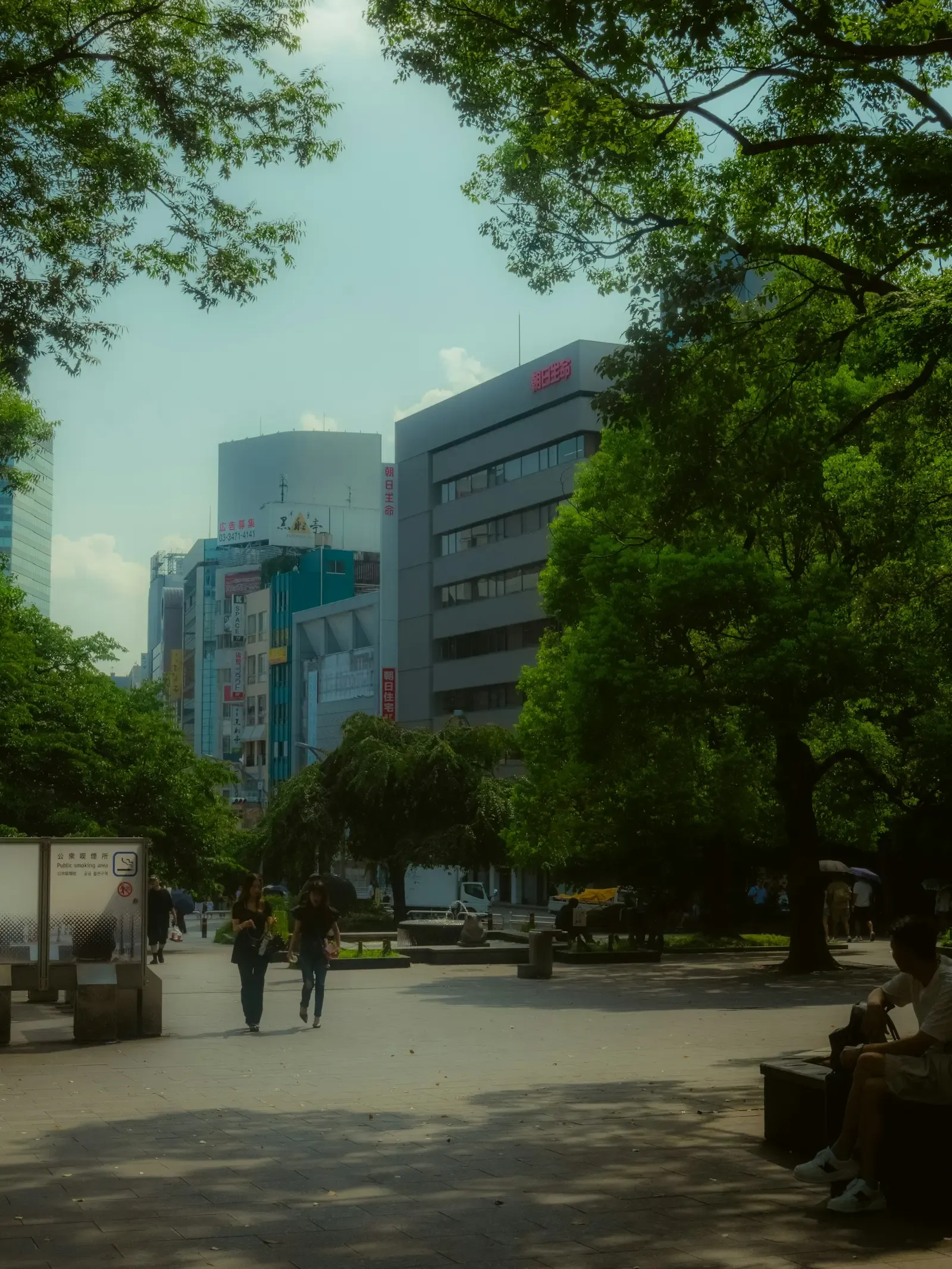
Tokyo neighborhoods are large.
“Shinjuku,” “Shibuya” or “Asakusa” in a hotel listing does not automatically mean you will be steps from the station or attractions you have in mind.
Always check the map.
Staying near an attraction instead of useful transport
Being beside one famous sight can be convenient once. Being close to a useful station helps every day.
For most first-time visitors, transport access should carry more weight than proximity to a single attraction.
Moving hotels unnecessarily
Unless there is a specific reason to split your stay, pick one good base. Moving hotels during a short Tokyo trip often creates more inconvenience than it solves.
Frequently asked questions
What is the best area to stay in Tokyo for first-time visitors?
Shinjuku is our best all-around recommendation for most first-time visitors because of its transport connections, restaurants, shopping and nightlife. Shibuya and Asakusa are strong alternatives depending on whether you prefer modern energy or a more traditional atmosphere.
Is Shinjuku or Shibuya better to stay in?
Choose Shinjuku for broader transport convenience and a wider mix of experiences. Choose Shibuya if nightlife, fashion, restaurants and contemporary Tokyo are higher priorities.
Is Asakusa a good place to stay for a first trip to Tokyo?
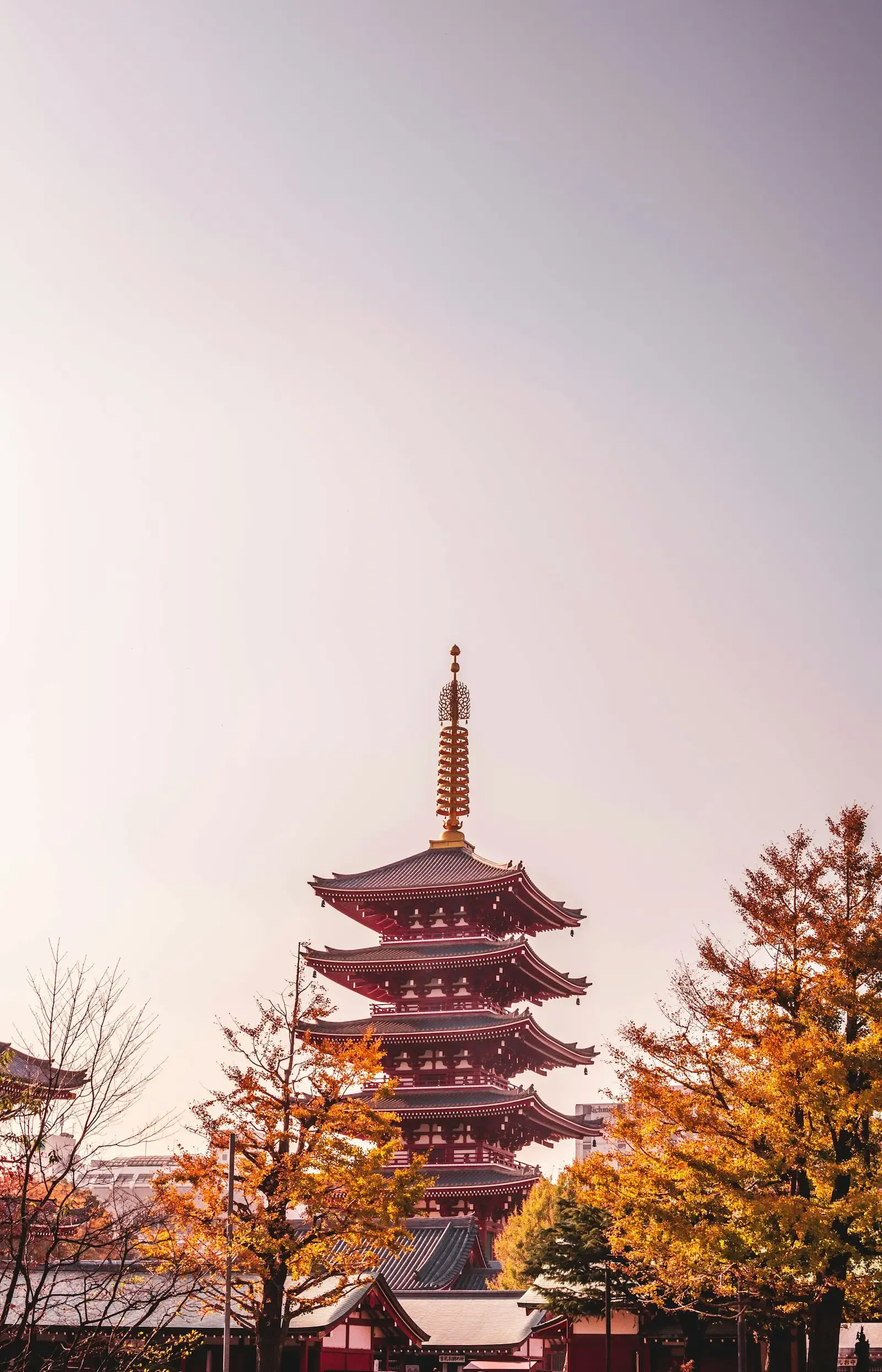
Yes. Asakusa is particularly good for travelers who value temples, traditional streets and quieter evenings. The trade-off is longer travel to some western Tokyo neighborhoods.
Is it better to stay near Tokyo Station or Shinjuku?
For a typical first sightseeing trip, we prefer Shinjuku. Tokyo Station becomes more attractive for short stays, early Shinkansen departures, day trips or itineraries that continue to other Japanese cities.
How close should my Tokyo hotel be to a train station?
There is no universal rule, but for a sightseeing-heavy trip we prefer being within roughly a 5–10 minute walk of a station that serves useful lines. Check the actual walking route rather than relying only on the hotel's stated distance.
Should I change hotels during a week in Tokyo?
Usually not. Tokyo's public transport makes it practical to explore from one well-connected base, and changing hotels costs time. Split your stay only if you specifically want to experience two contrasting neighborhoods.