Kyoto is often introduced through its most recognizable sights: red torii gates, wooden machiya houses, temple gardens, and streets filled with visitors carrying cameras. Those places are worth seeing, but they only tell part of the story.
The more rewarding side of Kyoto often appears when you slow down. Instead of trying to check every famous temple off a list, spend time walking through older neighborhoods, visiting a small garden, stopping at a local café, or simply following a quiet street without a fixed destination.
Start early and let the city wake up
Kyoto's most popular attractions can become crowded surprisingly quickly. Starting your day early is one of the simplest ways to experience the city's historic areas with fewer tour groups around.
The early morning atmosphere is particularly noticeable around traditional neighborhoods and temple districts. Streets that feel busy later in the day can be remarkably peaceful before shops open and organized tours arrive.
You do not need to build an ambitious itinerary around this. Choose one area, arrive early, and give yourself time to walk rather than rushing from one attraction to another.
Explore Kyoto's traditional neighborhoods
Some of Kyoto's character is found away from its headline attractions.
Gion is famous for its traditional architecture and historic atmosphere, but it is not the only neighborhood worth exploring. Areas around Higashiyama and the streets near the Kamo River offer opportunities to see older buildings, small shops, restaurants, and everyday city life.
Walking is often the best way to experience these districts. Keep your pace slow and look beyond the main streets. Small details such as wooden facades, gardens, craft stores, and neighborhood shrines can be more memorable than another crowded viewpoint.
Spend time in a Japanese garden
Kyoto's gardens are designed for more than sightseeing. They encourage visitors to slow down and pay attention to details such as stone arrangements, moss, water, trees, and carefully framed views.
Some gardens are attached to major temples, while others are smaller and easier to overlook.
Instead of trying to visit several in one day, consider choosing one or two and allowing enough time to actually sit and observe the space. This approach fits Kyoto particularly well.
Make food part of the experience
Kyoto's food culture deserves more attention than a quick restaurant stop between attractions.
Traditional dishes such as kaiseki and yudofu are associated with the city, while markets and neighborhood restaurants offer more casual ways to explore local flavors.
Nishiki Market is one of the city's best-known food destinations, but it can become busy. Visiting earlier in the day can make the experience more comfortable, especially during busy travel periods.
You should also leave room for smaller restaurants and cafés outside the busiest sightseeing areas. Kyoto rewards travelers who are willing to step away from the main tourist routes.
Look for Kyoto's craft traditions
Kyoto has a long history of craftsmanship, including ceramics, textiles, woodworking, paper, and traditional sweets.
You do not need to buy an expensive souvenir to experience this side of the city. Small workshops, specialist stores, and craft-focused neighborhoods can provide a better understanding of how traditional skills continue to fit into modern Kyoto.
For travelers interested in design and culture, this can be one of the most interesting parts of the city.
Take a walk along the Kamo River
The Kamo River offers an easy break from Kyoto's busier sightseeing areas.
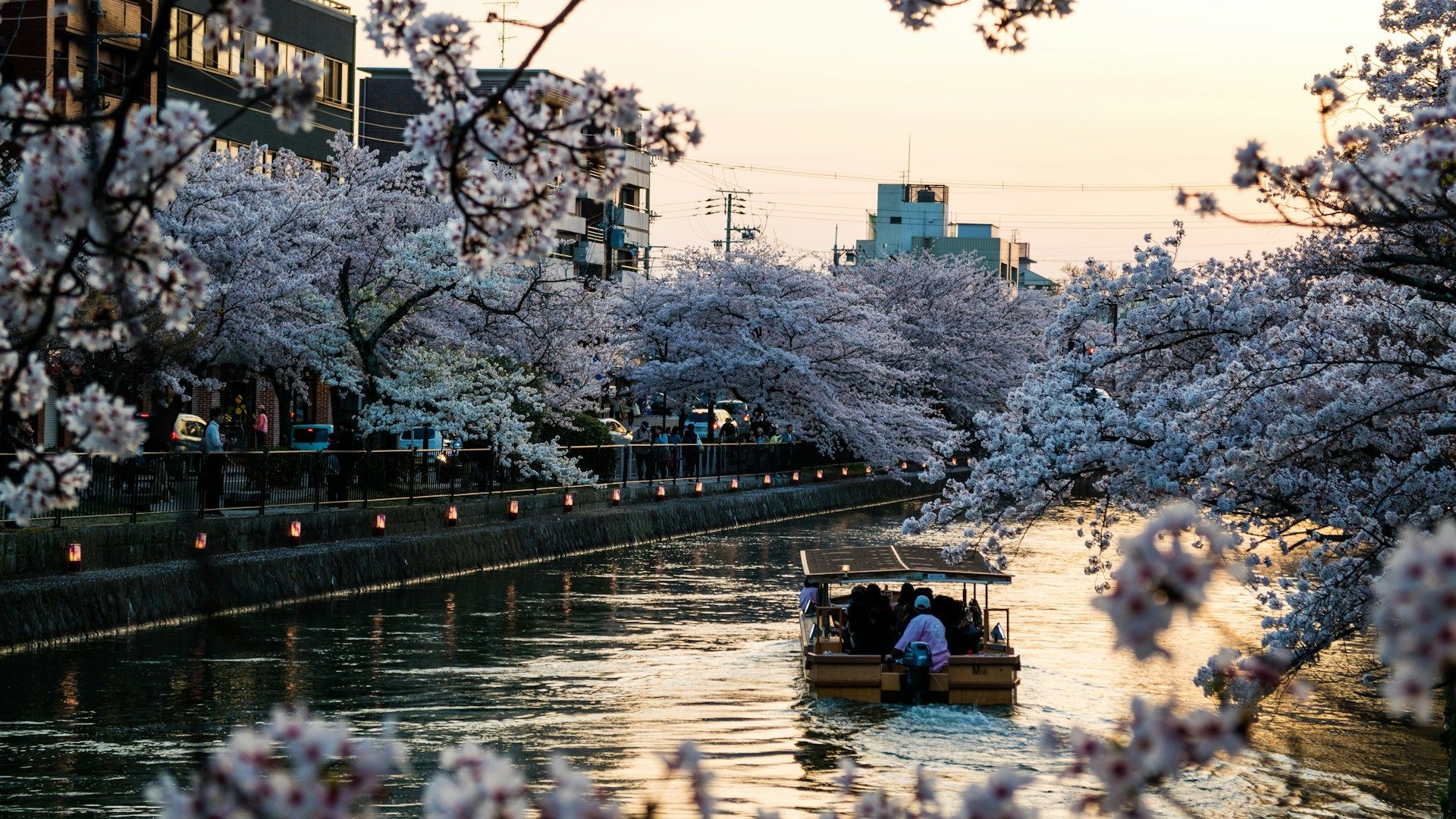
Locals use the riverside for walking, cycling, meeting friends, and enjoying the changing seasons. It is also a useful way to see a more everyday side of the city without needing a ticket or a detailed plan.
A walk along the river can be especially enjoyable toward the end of the day, when the pace of the city begins to slow.
Don't try to see everything
One of the easiest ways to make Kyoto exhausting is to treat it like a checklist.
The city has enough temples, gardens, museums, markets, and historic neighborhoods to fill several trips. Trying to visit all the major sights in a short stay usually means spending more time in transit and waiting in crowds.
Instead, choose a few places that genuinely interest you and leave some empty space in the itinerary.
That extra time may become the part of the trip you remember most.
When is the best time for a slower Kyoto trip?
Spring and autumn are among Kyoto's most popular seasons because of cherry blossoms and fall foliage. They are also periods when demand and crowds can be particularly high.
Winter can offer a quieter atmosphere, while early summer and parts of late autumn can provide a different balance of weather, scenery, and visitor numbers.
There is no single perfect season. The best time depends on whether you prioritize seasonal scenery, comfortable walking weather, lower crowds, or specific cultural events.
A different way to experience Kyoto
Kyoto does not need to be experienced at full speed.
The city's famous temples and landmarks deserve their place on a first-time itinerary, but the quieter experiences can provide a deeper connection to the destination. A morning walk through an old neighborhood, a garden visit, a simple meal, or an afternoon beside the Kamo River can reveal a side of Kyoto that is easy to miss when every hour is scheduled.
For travelers willing to slow down, Kyoto becomes less about how many places they can see and more about how much they can notice.