Osaka is easy to underestimate.
On a map, many of the places first-time visitors recognize — Dotonbori, Osaka Castle, Shinsekai and Umeda — look close enough that you might wonder whether one full day is all you need.
Technically, you can see a surprising amount in that time.
But seeing Osaka and actually experiencing it are different things.
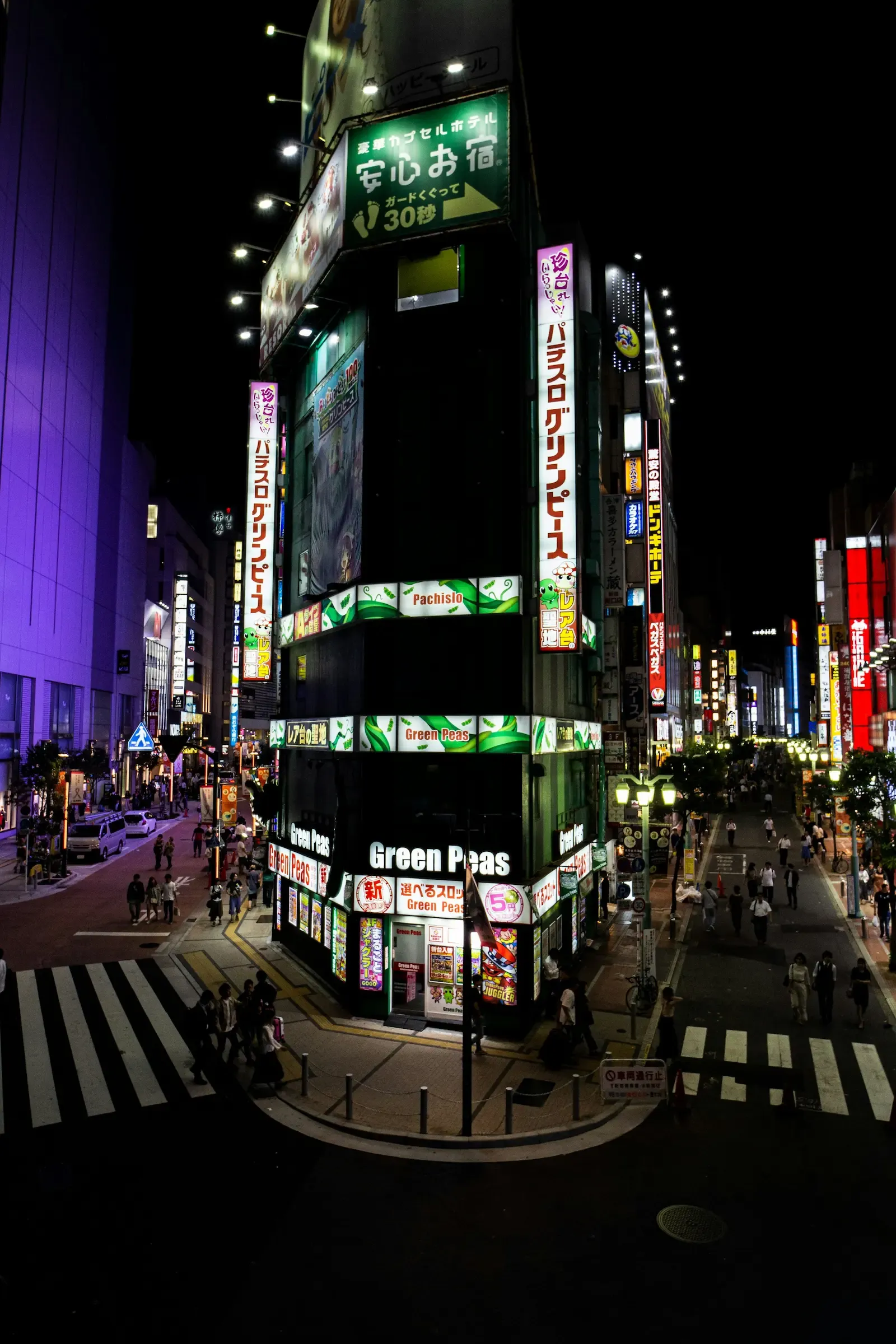
This is a city where a large part of the appeal happens between the obvious attractions: eating your way through a neighborhood, walking through Dotonbori after dark, spending longer than expected in a tiny restaurant or realizing that the area around your next train station is worth exploring too.
For most first-time visitors, 2 to 3 full days in Osaka itself is the right amount of time.
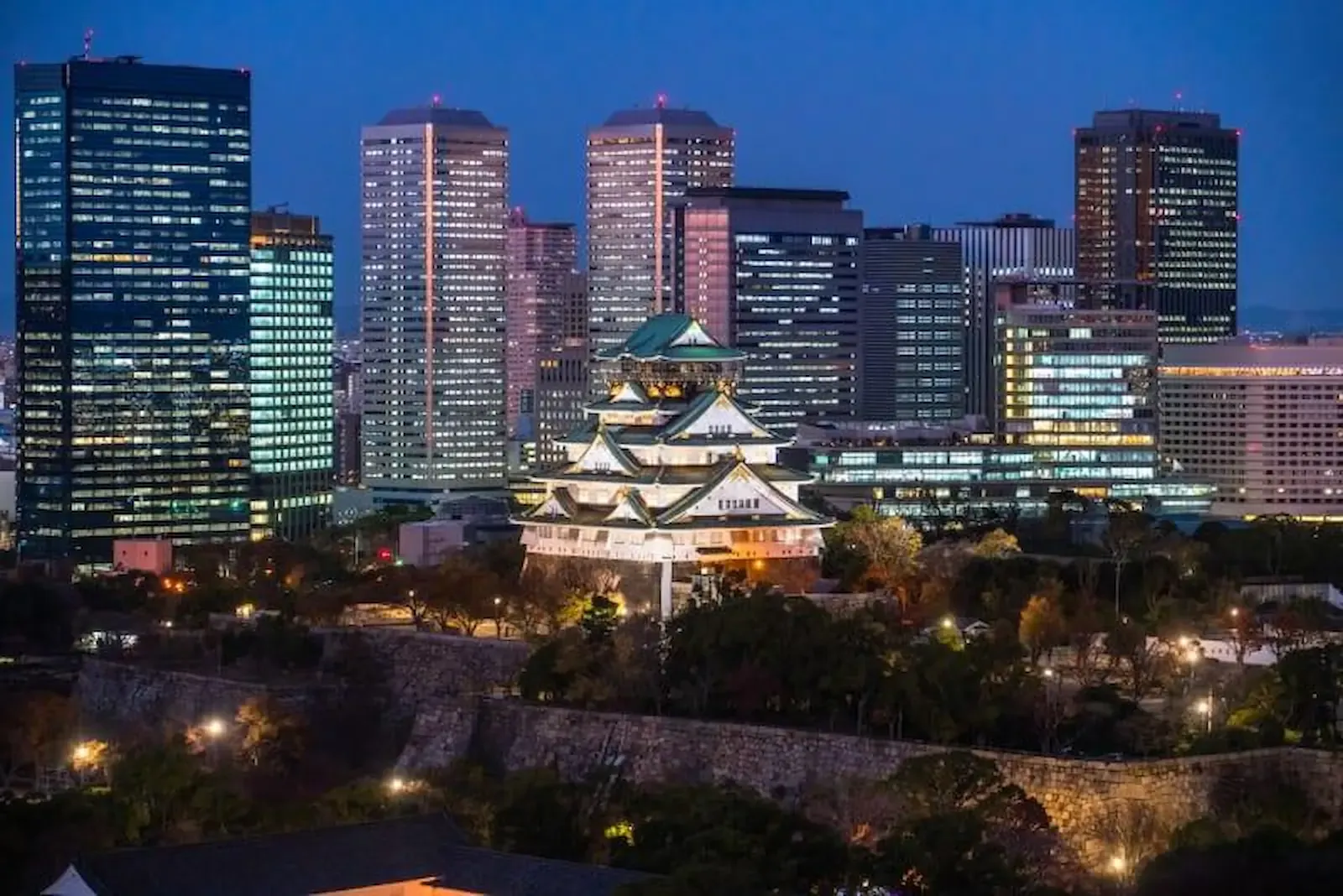
If we had to choose one, we would give Osaka 3 days. That gives you enough time for the city's major sights, food neighborhoods and nightlife without turning every day into a race.
There is one important distinction, though:
The number of days you spend exploring Osaka does not have to equal the number of nights you stay in Osaka.
The city is also a useful base for exploring other parts of Kansai. You might spend three days in Osaka but stay five nights because you're taking day trips to places such as Nara or Himeji.
That distinction changes the answer considerably.
How many days in Osaka? The quick answer
| Time in Osaka | What it feels like | Our verdict |
|---|---|---|
| 1 day | Major highlights at a fast pace | Possible, but rushed |
| 2 days | Good introduction to the city | Enough for shorter Japan trips |
| 3 days | Highlights, food and neighborhoods | Best for most first-time visitors |
| 4 days | Slower pace or a major attraction | Excellent if you have the time |
| 5+ days | Osaka plus Kansai day trips | Best when using Osaka as a base |
If Osaka is one stop on a first trip that also includes Tokyo and Kyoto, two days can work well.
If food, nightlife and urban neighborhoods are a major reason you're visiting Japan, give Osaka three days.
And if Universal Studios Japan is part of your plans, treat that as a separate full day rather than trying to squeeze it around normal sightseeing.
Is one day in Osaka enough?
One day is enough to understand why people enjoy Osaka.
It is not enough to explore the city particularly deeply.
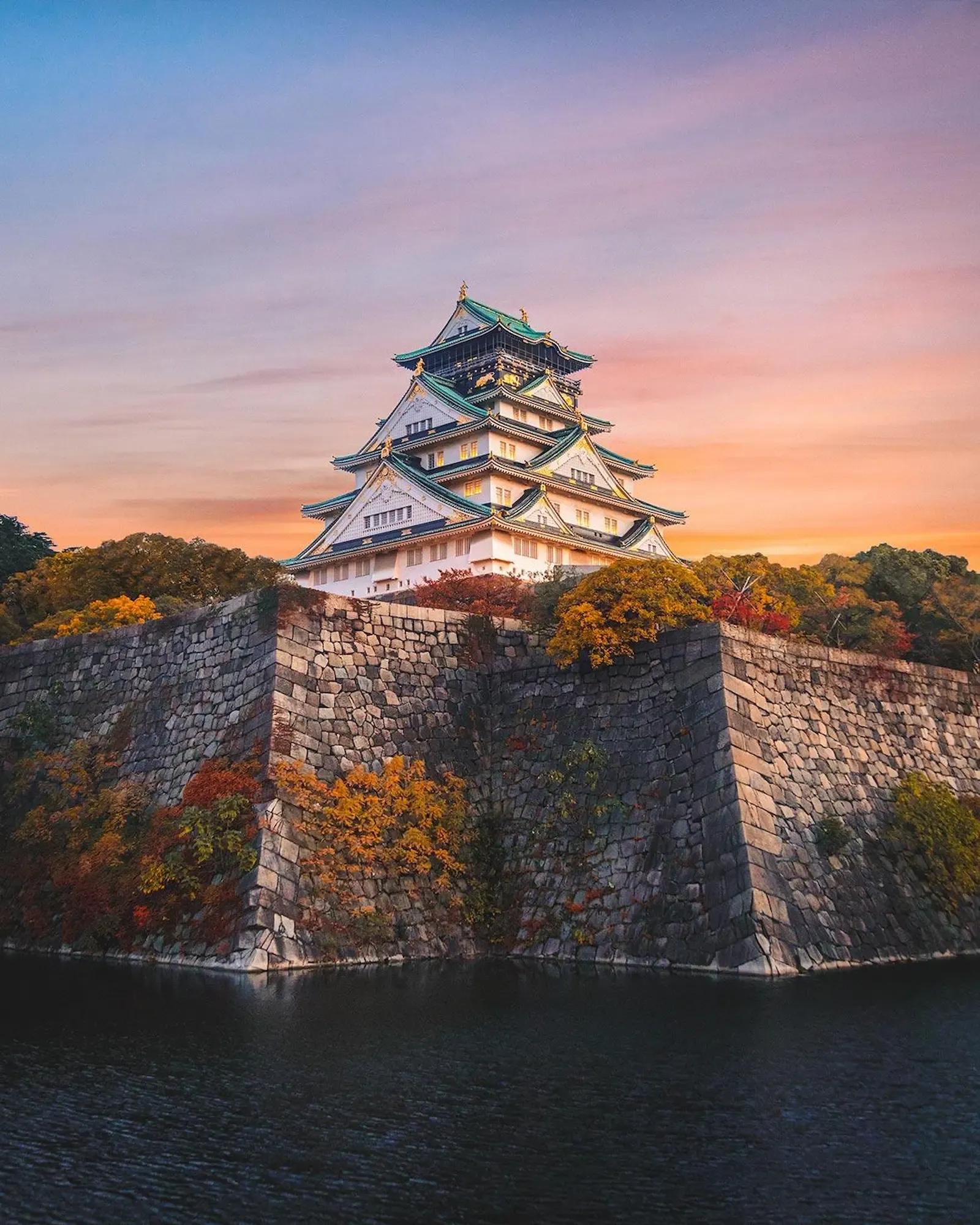
With an early start and a sensible route, you could see Osaka Castle in the morning, spend part of the afternoon around Shinsekai and finish in Namba and Dotonbori after dark.
That would give you three very different versions of the city in a single day.
It would also leave little room for spontaneity.
You would probably skip Umeda, spend less time exploring side streets and make food decisions based partly on your schedule rather than your appetite.
Who should spend only one day in Osaka?
One day makes sense if:
- you have a very short Japan itinerary
- Osaka is a day trip rather than an overnight destination
- Tokyo and Kyoto are much higher priorities for you
- you mainly want to see Dotonbori and a few famous landmarks
- you expect to return to Japan in the future
If this is likely to be your only visit to Osaka for a long time, we would try to find at least one additional day.
Our take: One day in Osaka is worthwhile. We just wouldn't call it enough for most first-time visitors.
What can you do with two days in Osaka?
Two days is where Osaka starts to make much more sense.
Instead of treating the city as one long sightseeing route, you can divide it geographically.
One day might focus on central and southern Osaka: Osaka Castle, Kuromon or Namba, Shinsekai and Dotonbori.
The other can move north toward Umeda, add more time for shopping or food, or give you space to revisit an area that you rushed through on the first day.
More importantly, you can experience Dotonbori at night without feeling that you need to catch a train back to another city immediately afterward.
Two days works especially well if...
- Osaka is part of a longer Tokyo–Kyoto–Osaka trip
- you want the major sights but don't need to see everything
- you care more about food and atmosphere than museums
- you are not visiting Universal Studios Japan
- you prefer spending more of your Japan itinerary in Kyoto or elsewhere
For many travelers following Japan's classic first-time route, two days in Osaka is a perfectly reasonable compromise.
But there is a reason we would still choose three.
Why three days is the sweet spot for Osaka
Three days gives Osaka room to breathe.
You can cover the major first-time sights without needing to organize every hour around transportation. You can spend an evening around Dotonbori, explore Shinsekai without immediately leaving and see both the southern and northern sides of the city.
It also gives you something shorter stays struggle to provide: time for Osaka's food culture.
Eating here shouldn't feel like refueling between attractions.

Okonomiyaki, takoyaki, kushikatsu and the enormous range of casual restaurants are part of the reason to visit in the first place. Having an extra day means you can choose where to eat because it looks interesting rather than because it happens to be beside the next attraction.
A three-day visit might loosely look like this:
Day 1: Osaka's essential first-timer sights
Start around Osaka Castle before moving toward the southern side of the city.
Spend the later part of the day around Namba and Dotonbori, staying into the evening when the canal, signs and surrounding streets are illuminated.
Day 2: Shinsekai, markets and neighborhoods
Use the second day for the more street-level side of Osaka.
Explore Shinsekai, spend time around Tennoji or nearby neighborhoods and make food a major part of the day rather than an afterthought.
Day 3: Umeda and the Osaka you haven't planned
Head north toward Umeda, explore the station district and see the city from above if a skyline viewpoint interests you.
Then leave part of the day deliberately flexible.
Go back somewhere you liked, explore another neighborhood, shop, eat or simply spend a few hours without another major attraction waiting on the schedule.
Our take: If this is your first trip to Osaka and your Japan itinerary has enough room, choose three days.
Is four days in Osaka too much?
Not at all.
Four days begins to change the way you experience Osaka. Instead of fitting neighborhoods around a list of attractions, you can slow down and let different parts of the city take up more of the day.
For a first-time visitor, the fourth day is particularly useful if you want to visit Universal Studios Japan, spend more time exploring neighborhoods or simply travel at a less aggressive pace.
Without Universal Studios Japan, four days gives you room to move beyond the most obvious stops.
You might spend more time around Tennoji, explore the streets and restaurants beyond central Namba, visit a museum or shopping district, or return to an area you enjoyed without feeling that you're sacrificing something else.
Who should spend four days in Osaka?
Four days makes sense if:
- food is a major part of your trip
- you enjoy nightlife and urban neighborhoods
- you prefer slower travel
- shopping is important to you
- you plan to visit Universal Studios Japan
- Osaka is one of the main destinations of your Japan trip
If your itinerary is already tight and Kyoto, Tokyo or other destinations are higher priorities, you don't need to force a fourth Osaka sightseeing day.
Our take: Four days isn't too long for Osaka. But for most first-time visitors, the biggest improvement happens when moving from two days to three rather than from three to four.
What if you have five days or longer?
Five days changes the question.
At that point, we would usually stop asking how many days you need in Osaka and start asking how many nights you should be based in Osaka.
The difference matters because Osaka is extremely well positioned for exploring the wider Kansai region.
A five-night stay might look something like this:
| Day | Plan |
|---|---|
| Day 1 | Osaka Castle, Namba and Dotonbori |
| Day 2 | Shinsekai, Tennoji and southern Osaka |
| Day 3 | Umeda and more Osaka neighborhoods |
| Day 4 | Day trip from Osaka |
| Day 5 | Second day trip or Universal Studios Japan |
In that example, you are staying in Osaka for five nights without spending five full days sightseeing in Osaka itself.
That can be a very good itinerary.
It also avoids repeatedly changing hotels.
Does Universal Studios Japan need a full day?
For planning purposes, we would treat Universal Studios Japan as a full-day commitment.
Even if you don't remain inside the park from opening until closing, transportation, entry, queues and the park itself can consume most of the useful sightseeing hours in a day.
That means a traveler with three days available who spends one at Universal Studios Japan effectively has only two days left for Osaka.
This is why we would adjust our recommendation like this:
| Your plans | Recommended time |
|---|---|
| Osaka without USJ | 2–3 full days |
| Osaka + USJ | 3–4 full days |
| Osaka + USJ + day trips | 4–6 nights as a base |
Don't try to compensate by cramming Dotonbori, Osaka Castle, Shinsekai and several other neighborhoods into the evening after the park.
Give Osaka its own time.
Osaka days and Osaka nights are not the same thing
This is the distinction that causes a lot of confusion when planning Kansai.
Imagine this itinerary:
Monday: Explore Osaka
Tuesday: Explore Osaka
Wednesday: Day trip to Nara
Thursday: Explore Osaka
Friday: Leave for your next destination
You have spent four nights in Osaka, but only three full sightseeing days in Osaka.
Now add another day trip and you might stay five nights while still spending only three days exploring the city.
That is why advice such as “stay five days in Osaka” can be misleading unless you know whether day trips are included.
When deciding how long to book your hotel, separate the calculation into two questions:
- How many days do I want to explore Osaka itself?
- How many nearby destinations do I want to visit while sleeping in Osaka?
For many first-time visitors, the answer could easily be:
3 Osaka days + 1 or 2 day trips = 4–5 nights based in Osaka.
Should you use Osaka as a base for Kansai day trips?
Osaka can be an excellent base, particularly if you prefer returning to a larger city with plenty of restaurants and nightlife in the evening.
Several worthwhile destinations are accessible by rail.
Nara
Nara is one of the easiest additions to an Osaka itinerary.
The city is known for Nara Park, its free-roaming deer and major historic sites including Todai-ji. The main sightseeing area is compact enough that Nara works naturally as a day trip.
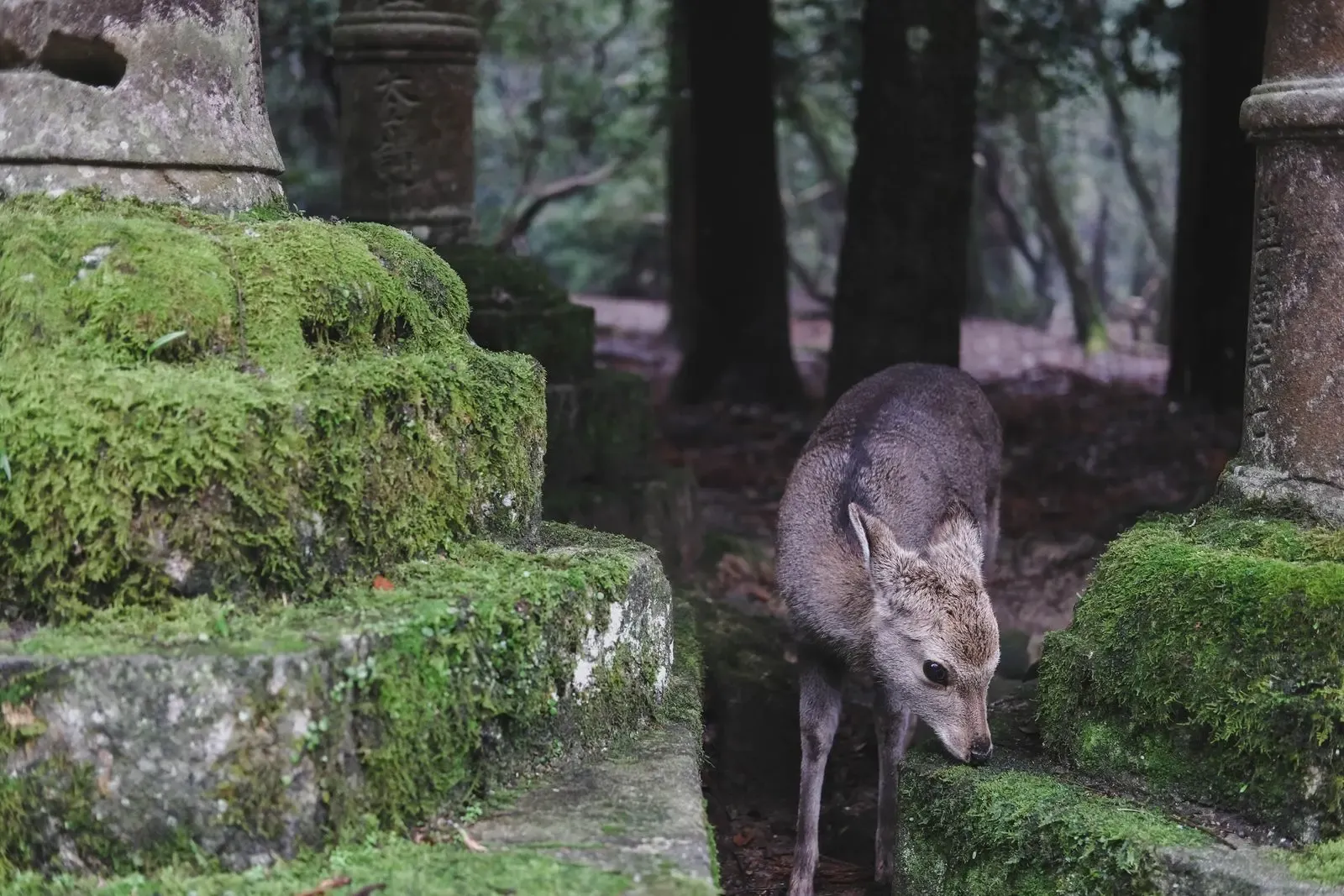
If Nara is high on your list, you don't necessarily need to change hotels.
Go in the morning, spend the day there and return to Osaka for dinner.
Himeji
Himeji is another strong day-trip option, particularly if Japanese castles are a priority.
Himeji Castle offers a very different experience from Osaka Castle and is generally the main reason travelers make the trip.
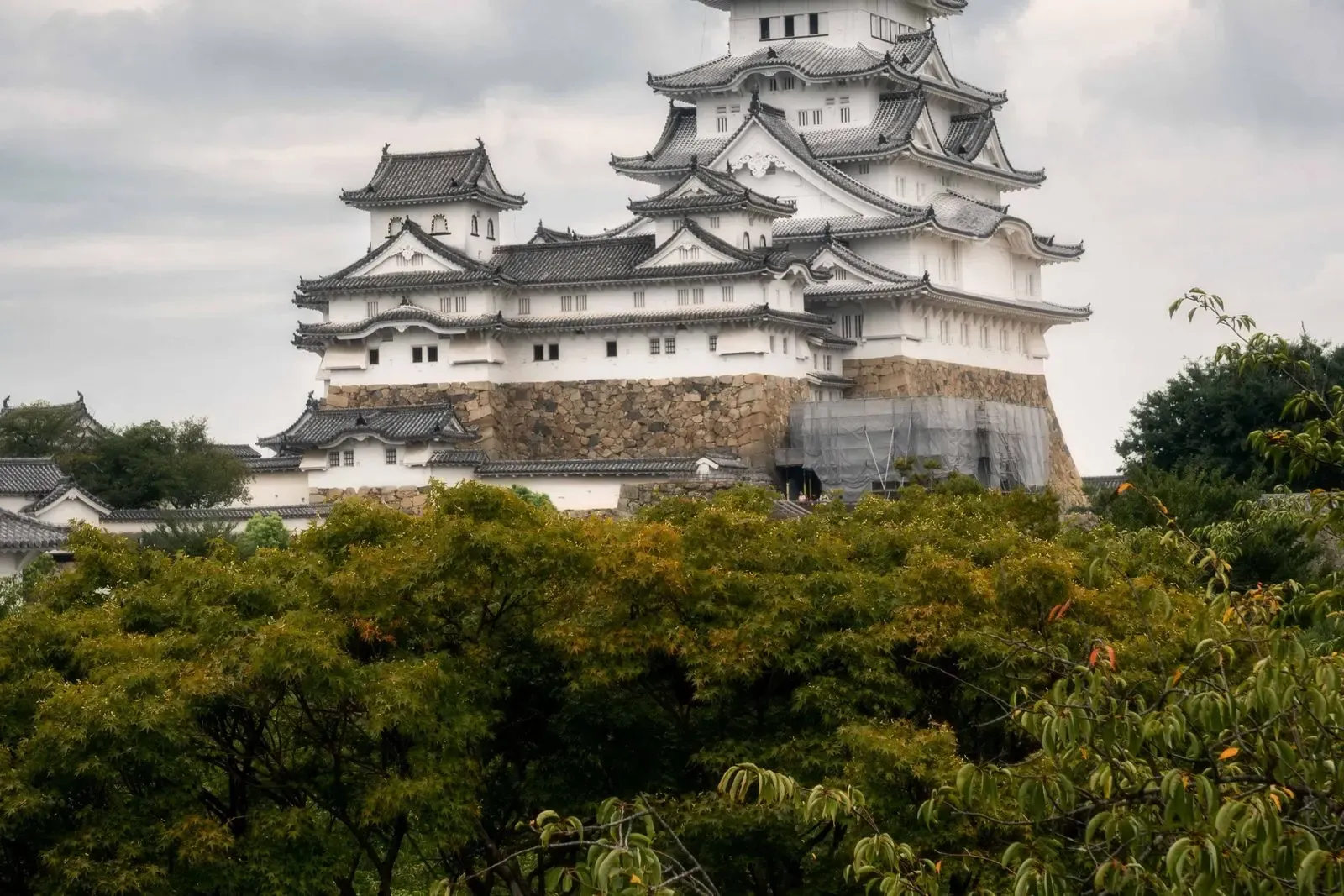
Because the journey involves leaving Osaka and spending several hours around the castle area, give it a dedicated portion of the day rather than trying to combine it with a packed Osaka sightseeing schedule.
Kobe
Kobe can work well for travelers interested in its waterfront, neighborhoods and food scene.
It is close enough to Osaka that staying overnight isn't necessary for many itineraries, making it another option for travelers who want to keep one hotel base.
Whether it deserves a full day depends on your interests.
What about Kyoto?
This is where our advice becomes more cautious.
Yes, Kyoto can be visited from Osaka by train.
But just because a day trip is possible doesn't mean it is the best way to structure your first Japan itinerary.
If Kyoto is one of the main reasons you're visiting Japan and you plan to spend several days exploring its temples, neighborhoods and historic areas, we would rather stay in Kyoto for part of the trip.
That gives you access to the city earlier in the morning and later in the evening without commuting back to Osaka every day.
Use Osaka as a base for Kyoto when it genuinely simplifies your itinerary — not simply because the cities are connected by fast trains.
Osaka or Kyoto: where should you spend more days?
There isn't a universal winner.
The two cities offer very different experiences.
Choose more time in Osaka if your priorities are:
- food
- nightlife
- shopping
- energetic urban neighborhoods
- Universal Studios Japan
- using a large city as a base for day trips
Choose more time in Kyoto if your priorities are:
- temples and shrines
- traditional architecture
- historic neighborhoods
- gardens
- slower mornings and cultural sightseeing
For many first-time Japan itineraries, something like 2–3 days in Osaka and 3–4 days in Kyoto creates a good balance.
But don't treat that as a rule.
Someone traveling primarily for food and nightlife may happily reverse those numbers.
How long should you stay in Osaka based on your travel style?
The best answer changes depending on why you're going.
First-time visitors
3 days is our default recommendation.
It provides enough time to see several sides of Osaka without making the city dominate a wider Japan itinerary.
Food-focused travelers
Consider 3–4 days.
Osaka becomes much more enjoyable when every meal doesn't have to fit between attractions. Extra time lets you explore restaurants, markets and neighborhoods at a more natural pace.
Nightlife travelers
Aim for at least 3 nights.
The advantage isn't necessarily having more daytime attractions to see. It's being able to experience areas such as Namba without worrying about an early departure every evening.
Universal Studios Japan visitors
Add one full day to whatever amount of time you would otherwise spend in Osaka.
If you wanted two days for the city, make it three. If you wanted three, consider four.
Families
3–4 days usually creates a more forgiving pace.
Transportation, meals and attractions often take longer when traveling as a family, so an itinerary that looks relaxed on paper can become surprisingly busy.
Travelers on a short first trip to Japan
2 days can be enough.
If you only have a week or so and also want meaningful time in Tokyo and Kyoto, Osaka doesn't need to consume three or four full days.
Repeat visitors to Japan
This is where longer Osaka stays become more interesting.
Once you no longer feel pressure to complete the classic first-time sights, Osaka works well for neighborhood exploration, food, shopping and trips elsewhere in Kansai.
So, how many days should you spend in Osaka?
For most first-time visitors, our answer is three full days.
Two days is enough to get a strong introduction, particularly on a busy Tokyo–Kyoto–Osaka itinerary.
Three days gives you the best balance of sightseeing, food and time to experience the city without rushing.
Four days is worthwhile for slower travelers or anyone adding Universal Studios Japan.
And five or more nights can make perfect sense when Osaka becomes your base for exploring Kansai.
The important thing is not to confuse nights in your Osaka hotel with days spent sightseeing in Osaka.
If your itinerary says:
3 days Osaka + Nara + Himeji
you may actually want five nights in Osaka.
That's not too long.
It's simply a different way of using the city.
Frequently asked questions
Is 2 days enough in Osaka?
Yes. Two full days is enough for a good introduction to Osaka, especially if the city is part of a larger Japan itinerary. You can see several major areas and experience Dotonbori at night, although the pace will be faster than with three days.
Is 3 days in Osaka too much?
No. Three days is our preferred amount of time for most first-time visitors. It gives you enough room for major sights, neighborhoods, food and nightlife without needing to rush constantly.
Is 4 days in Osaka too long?
Four days is not too long if you enjoy food, shopping and urban exploration or plan to visit Universal Studios Japan. Travelers with a tight multi-city itinerary may prefer to use the fourth day elsewhere.
How many nights should I stay in Osaka?
For a typical first visit, three or four nights works well. If you're using Osaka as a base for day trips to destinations such as Nara, Himeji or Kobe, four to six nights can make sense even if you only spend two or three full days sightseeing in Osaka.
Should I stay in Osaka or Kyoto?
If you want nightlife, food and a larger modern-city atmosphere, Osaka is likely the better evening base. If temples, historic neighborhoods and early-morning sightseeing are priorities, staying in Kyoto is worthwhile. For a first trip, we prefer splitting your stay rather than commuting between the two cities every day.
Can you visit Nara from Osaka?
Yes. Nara is an easy day trip from Osaka by rail, and many visitors return to Osaka the same evening rather than changing hotels.
Do I need an extra day in Osaka for Universal Studios Japan?
We recommend it. Treat Universal Studios Japan as a full-day activity when building your itinerary rather than counting it as part of a normal Osaka sightseeing day.
Is Osaka worth visiting if I'm already going to Tokyo?
Yes. Osaka isn't simply a smaller version of Tokyo. Its food culture, compact entertainment districts, nightlife and atmosphere give it a noticeably different character. On a first Japan trip, two or three days is enough to experience that difference without taking too much time from other destinations.