Tokyo rarely makes sense as a checklist.
You can stand beneath the giant lantern at Senso-ji in the morning, disappear into the crowds of Shibuya after lunch and finish the day surrounded by neon in Shinjuku. Somewhere between those moments are tiny shrines, basement food halls, quiet gardens and train rides that reveal just how enormous the city really is.
For a first visit, the challenge isn't finding things to do. It's deciding what deserves your limited time.
These are the Tokyo experiences we would prioritize on a first trip — not because every one is a compulsory attraction, but because together they show several very different sides of the city.
If you're still planning the basics, start with how many days you need in Tokyo and our guide to where to stay in Tokyo.
Tokyo first-timer essentials at a glance
| Experience | Area | Allow roughly |
|---|---|---|
| Senso-ji and Asakusa | Asakusa | 2–3 hours |
| Shibuya Crossing | Shibuya | 1–2 hours |
| Meiji Jingu and Harajuku | Harajuku | 2–3 hours |
| Shinjuku after dark | Shinjuku | An evening |
| Ueno Park and museums | Ueno | Half a day |
| Tsukiji Outer Market | Tsukiji | 1–2 hours |
| Tokyo skyline view | Various | 1–2 hours |
You don't need to complete this list in order. Tokyo is much easier when you group nearby neighborhoods together rather than crossing the city repeatedly.
1. Start with Senso-ji and the streets of Asakusa
For a first morning in Tokyo, Asakusa is difficult to beat.
Senso-ji is Tokyo's oldest temple, and the approach through Kaminarimon and Nakamise gives you one of the city's most recognizable introductions. Nakamise runs toward the temple through a dense corridor of traditional snacks, souvenirs and small shops.
But don't turn around as soon as you've seen the main hall.
Some of the pleasure of Asakusa comes from wandering the surrounding streets, where the crowds thin and older storefronts, restaurants and smaller temples begin to appear.
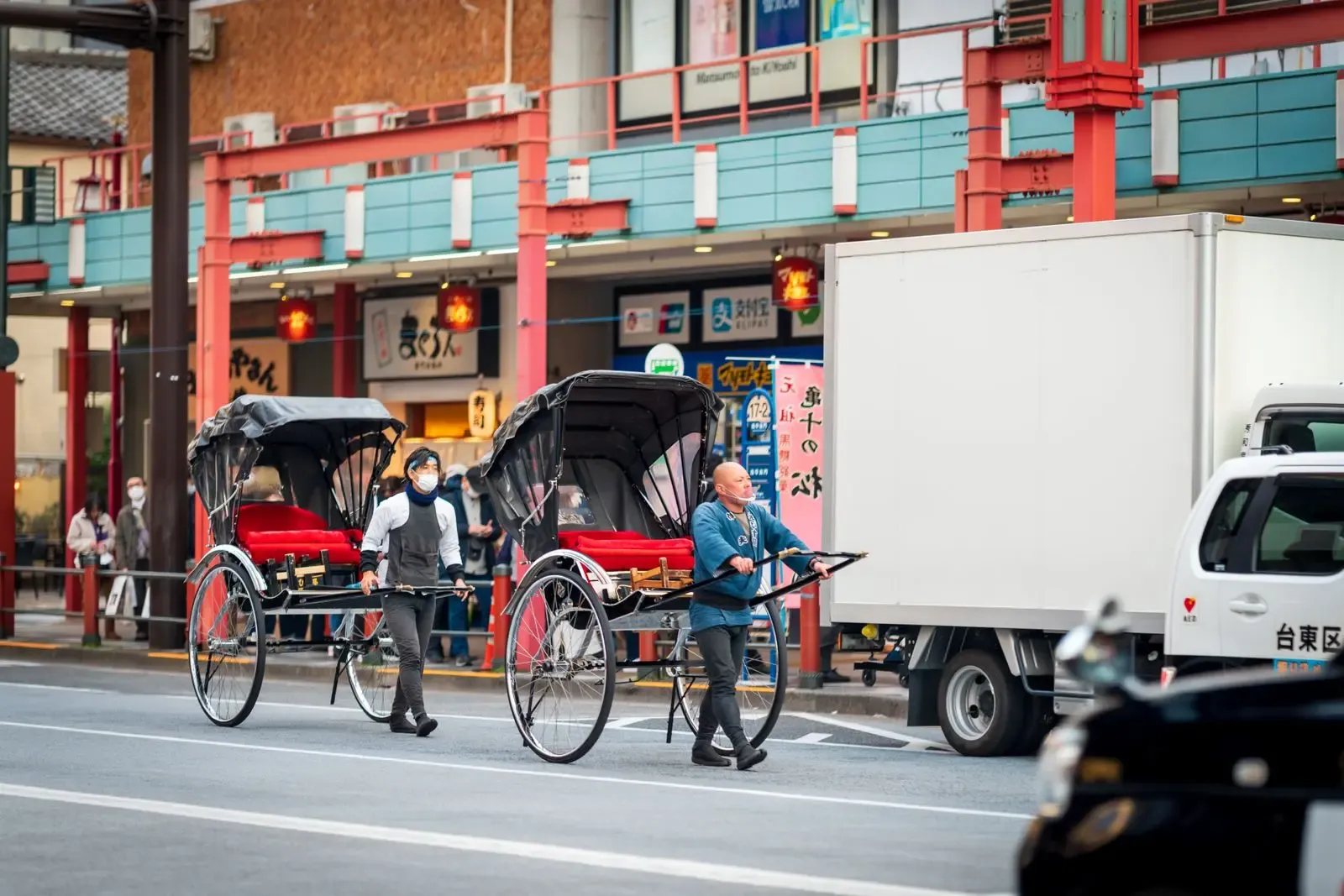
The neighborhood also creates one of Tokyo's best visual contrasts: traditional Asakusa with the much newer Tokyo Skytree rising in the distance.
SourPost tip: Come early if you can. The area around Senso-ji feels considerably different before the main daytime crowds arrive.
2. Experience Shibuya Crossing — then keep walking
Shibuya Crossing is touristy, photographed endlessly and still worth experiencing once.
The appeal isn't really the crossing itself. It's the few minutes when traffic stops in every direction and hundreds of pedestrians move simultaneously through the intersection beneath giant screens and illuminated buildings.
Cross it at street level first rather than immediately searching for a viewpoint.
Then explore Shibuya beyond the intersection.
The surrounding streets are packed with fashion, restaurants, cafés and entertainment, and they give a much better sense of why Shibuya became one of the symbols of contemporary Tokyo.
If you enjoy being surrounded by that energy, Shibuya is also one of the neighborhoods we recommend in our guide to where to stay in Tokyo.
3. Walk from Meiji Jingu into Harajuku
One of Tokyo's best contrasts happens within walking distance.
Meiji Jingu sits within a large wooded area beside some of the busiest neighborhoods in western Tokyo. Passing beneath its torii gates and walking through the forested approach can make the surrounding city feel surprisingly distant.
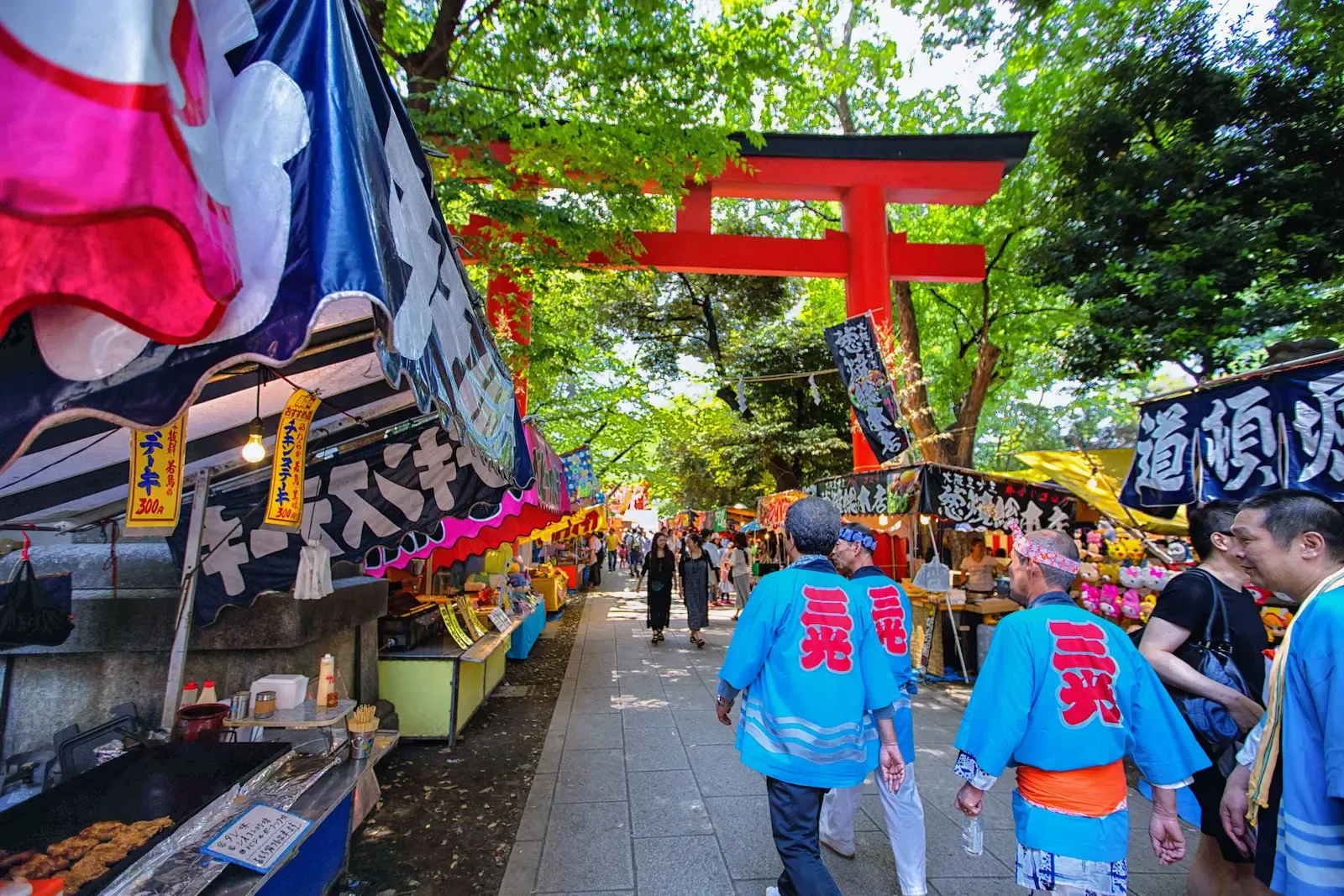
After visiting the shrine, continue toward Harajuku.
Takeshita Street provides the loudest version of the neighborhood, with fashion shops, snacks and crowds packed into a narrow pedestrian street. But Harajuku becomes more interesting when you wander beyond it into the smaller streets toward Cat Street and Omotesando.
You can easily combine Meiji Jingu, Harajuku and Shibuya into the same half-day rather than treating them as separate trips.
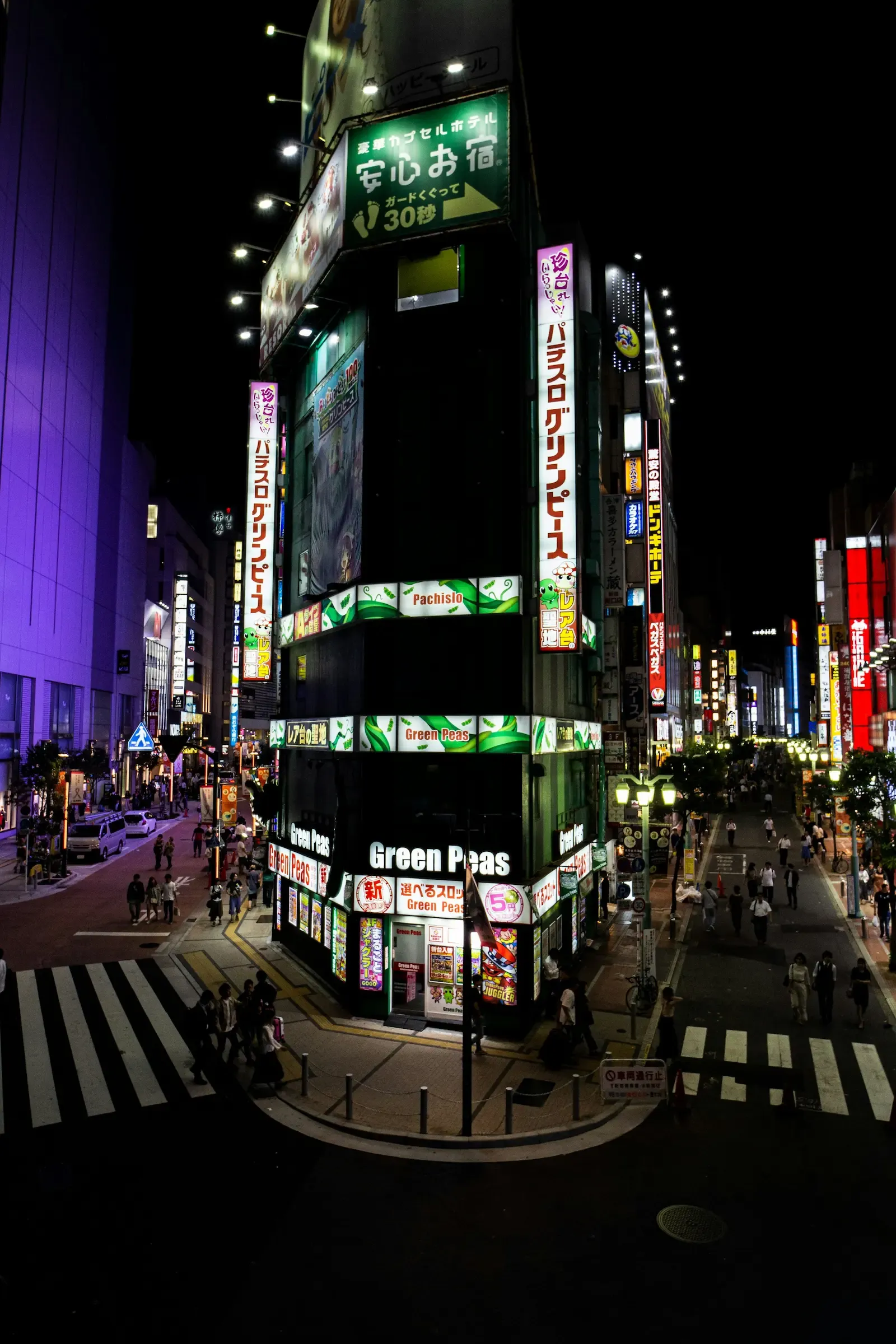
4. See Shinjuku after dark
Shinjuku during the day is a major commercial and transportation hub.
At night, it becomes something else.
Neon signs illuminate Kabukicho, restaurants fill up around the station and tiny bars occupy narrow streets and upper floors throughout the neighborhood.
You don't need a complicated nightlife plan. Simply walking through Shinjuku after dinner is one of the easiest ways to experience Tokyo after dark.
For something quieter, the skyscraper district west of Shinjuku Station offers a completely different atmosphere from Kabukicho only a short distance away.
Is Shinjuku safe at night?
For most visitors, the busy central areas are straightforward to explore using normal big-city awareness. As in any nightlife district, be cautious about unsolicited approaches and avoid following street touts into bars or clubs.
5. Spend half a day around Ueno
Ueno gives you several versions of Tokyo within walking distance.
Ueno Park contains some of the city's major cultural institutions, including the Tokyo National Museum and National Museum of Western Art. The park itself provides welcome breathing room between busy neighborhoods.
Then walk toward Ameyoko.
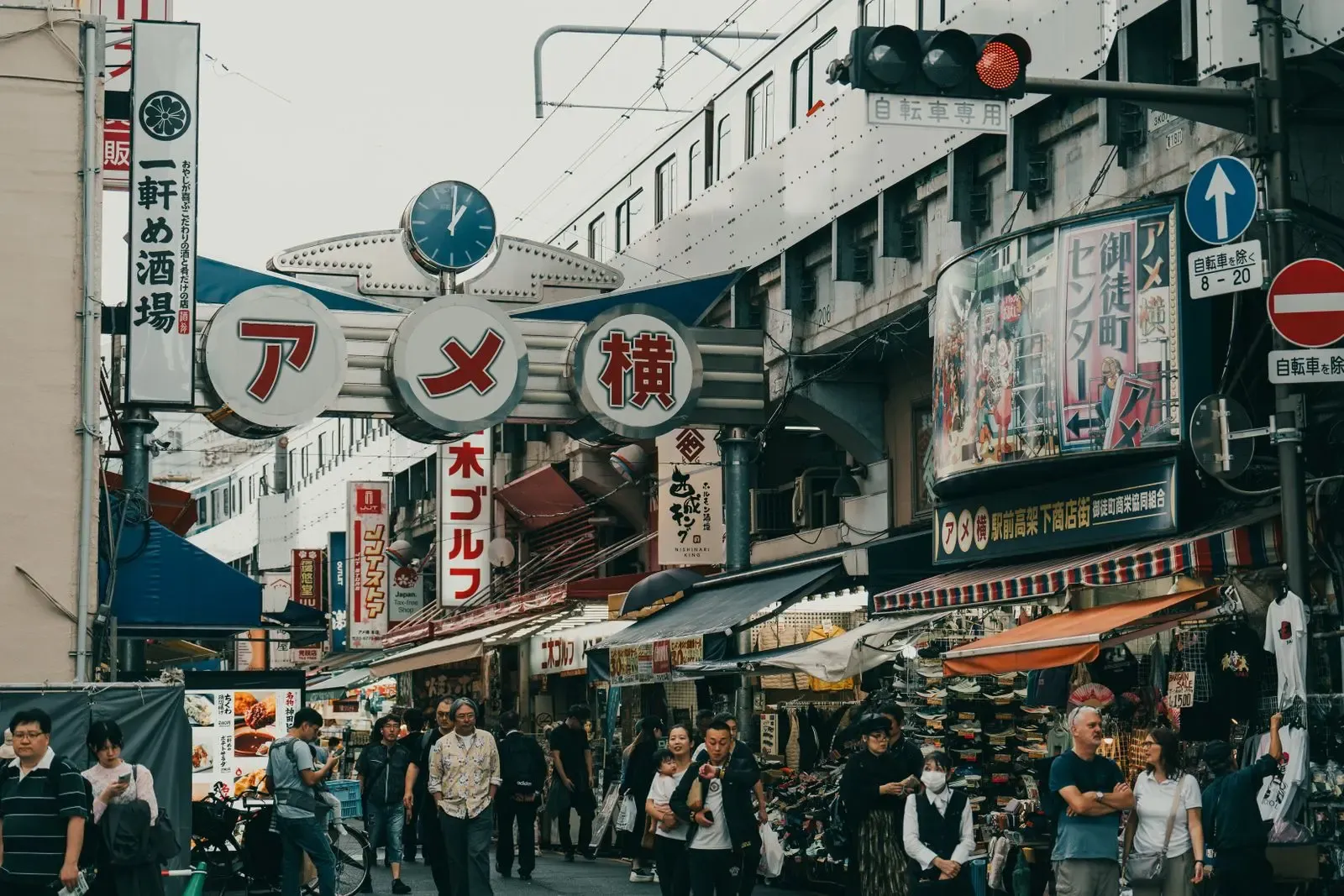
The atmosphere changes almost immediately. Beneath and around the railway tracks you'll find market stalls, inexpensive shops, restaurants and crowds moving through narrow streets.
That combination — museum district on one side of the station and busy market streets on the other — is exactly why Ueno deserves more than a quick stop.
6. Eat your way through Tsukiji Outer Market
Tokyo's wholesale fish market moved from Tsukiji to Toyosu in 2018, but Tsukiji Outer Market is still very much alive.
The narrow streets around the old market area remain packed with seafood shops, sushi counters, tamagoyaki stands, produce sellers and small restaurants. For visitors, the appeal is less about seeing a working wholesale market and more about tasting your way through one of Tokyo's best-known food districts.
Come hungry, but don't feel pressure to try everything that appears on social media.
A few carefully chosen stops are more enjoyable than turning breakfast into another checklist.
When should you visit Tsukiji?
Morning is the natural time to go. Many businesses operate earlier than typical Tokyo restaurants, while some close by the afternoon.
Try to avoid blocking storefronts or eating while walking through particularly crowded sections. Tsukiji is a tourist attraction, but it is also a working commercial neighborhood.
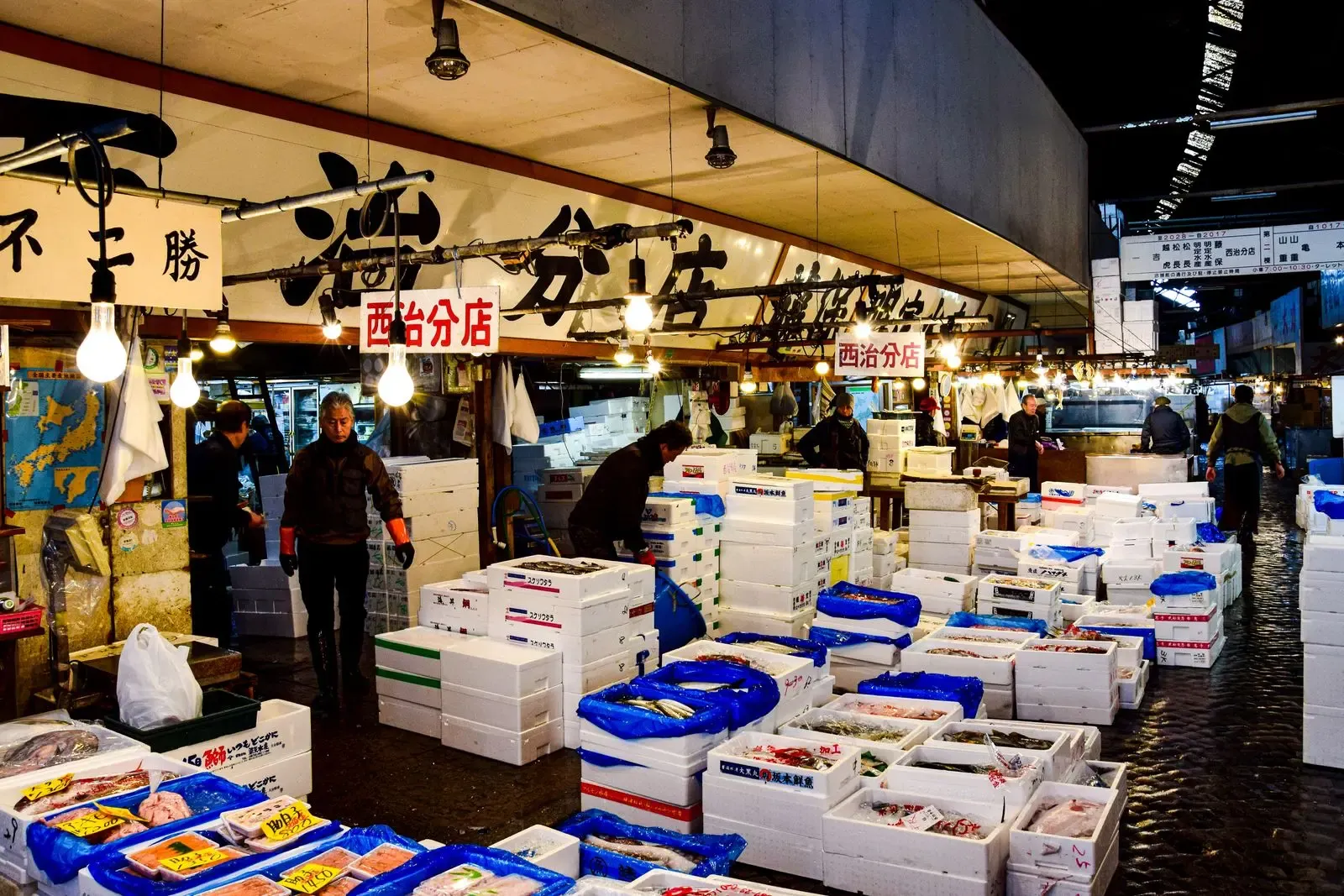
SourPost tip: Treat Tsukiji as breakfast or an early lunch rather than an entire half-day attraction.
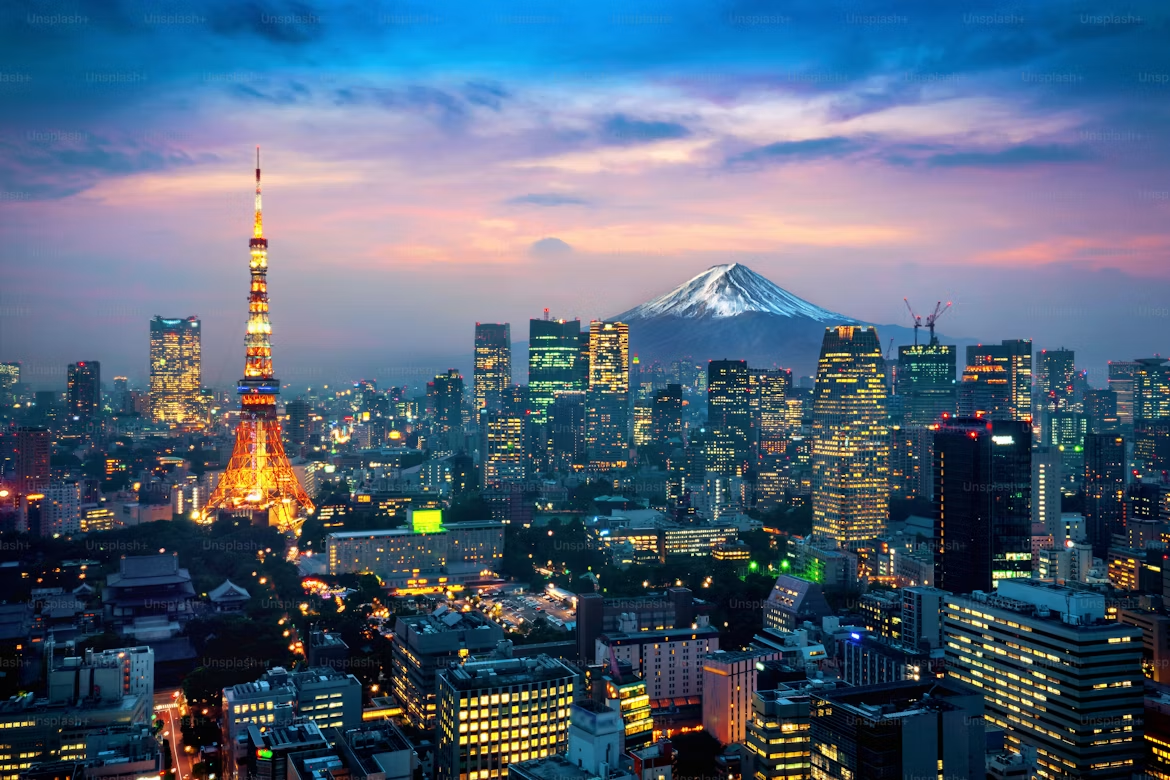
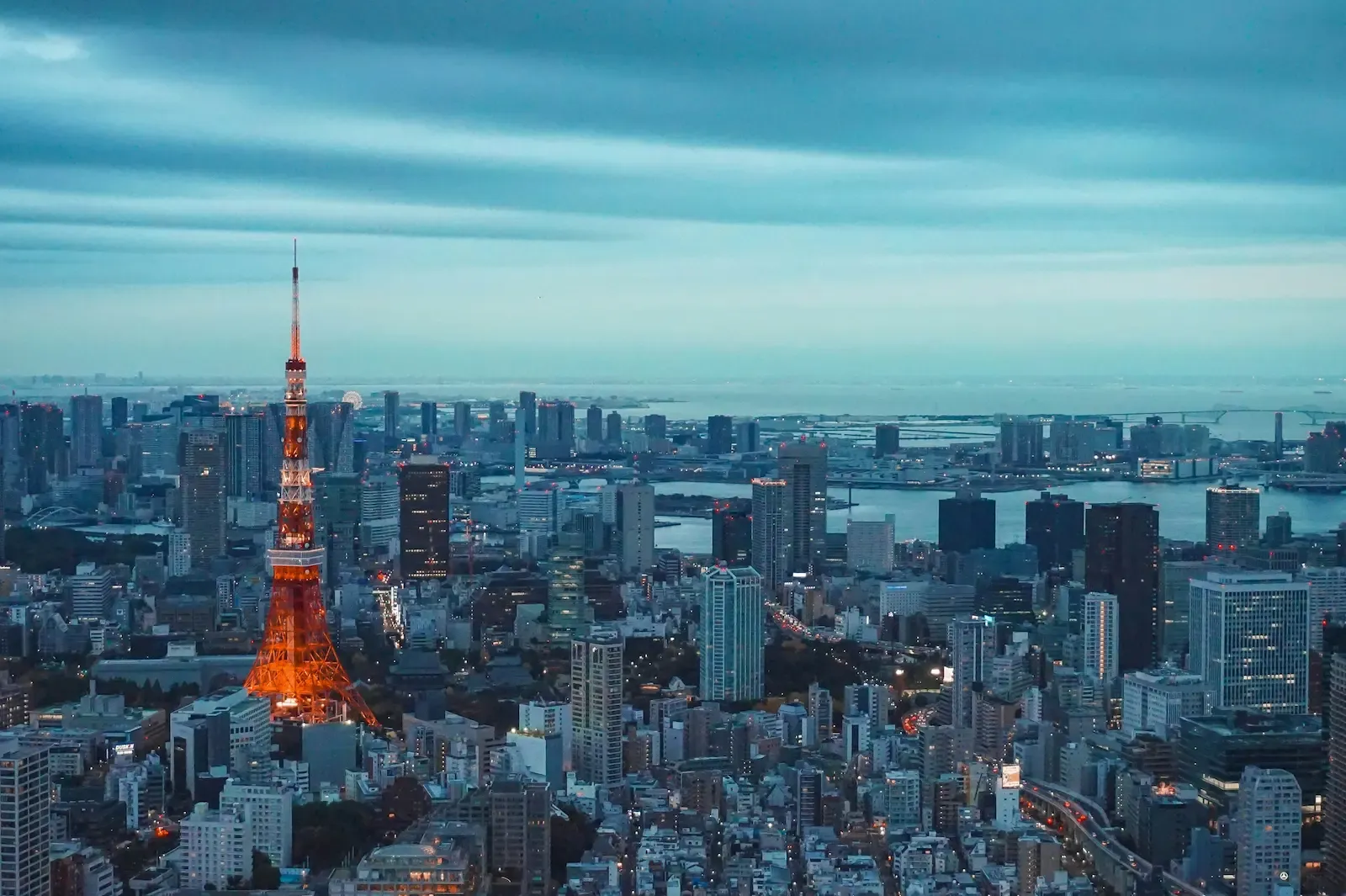
7. See Tokyo from above
Tokyo's scale is difficult to understand from street level.
Seeing it from above changes that.
Buildings stretch toward the horizon, railway lines disappear between neighborhoods and on clear days the mountains beyond the city become visible.
You have several options rather than one mandatory observation deck.
Tokyo Skytree provides one of the highest viewpoints in the city. Shibuya Sky puts you directly above one of Tokyo's busiest districts, while the Tokyo Metropolitan Government Building in Shinjuku offers observation decks without the admission price of the major commercial viewpoints.
Choose based on where you will already be that day.
If sunset matters to you, check entry arrangements in advance for paid observation decks. Popular time slots can be much harder to get than daytime visits.
Our take: One skyline view is enough for most first trips. You don't need to collect observation decks.
8. Explore Akihabara beyond the billboards
Akihabara is famous internationally for anime, manga, gaming and electronics, and the first impression delivers exactly that.
Multi-story stores rise above streets covered in colorful advertisements. Arcades, collectible shops and electronics retailers occupy seemingly every available floor.
Even if you aren't deeply interested in anime or gaming, Akihabara is worth walking through because few neighborhoods display their identity so openly.
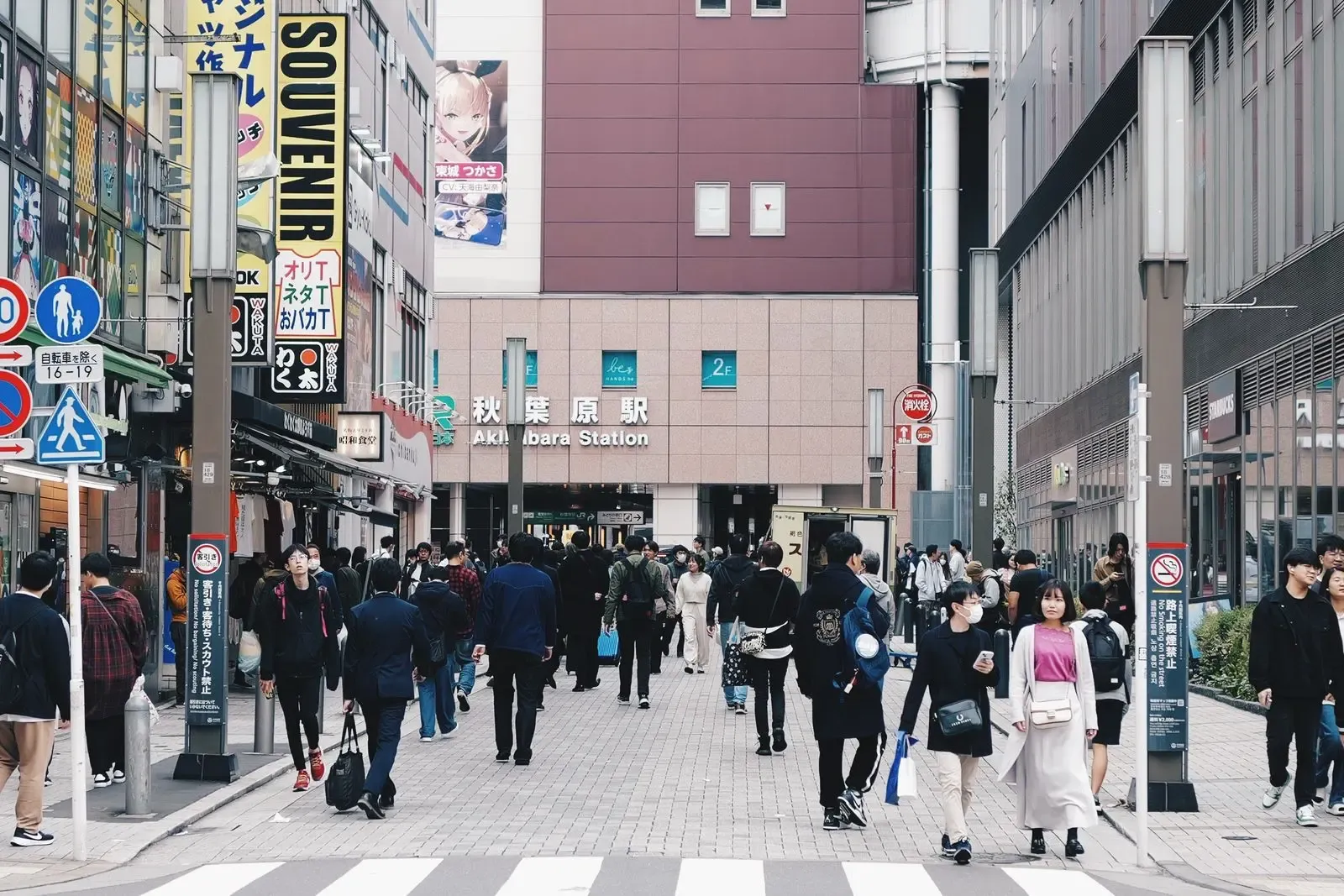
The more specialized stores are often more interesting than the biggest buildings. One floor might be dedicated to retro games, another to model kits or trading cards, while smaller shops can disappear several levels above street level.
Give yourself permission to wander without understanding everything you see.
That's part of the experience.
How long do you need in Akihabara?
For casual visitors, one or two hours is usually enough.
Fans of gaming, anime, electronics or collectibles could easily spend half a day here.
9. Walk around Tokyo Station and the Imperial Palace
Tokyo Station is more than a transportation hub.
Its restored red-brick Marunouchi building provides one of the city's most distinctive architectural contrasts, facing a district of modern office towers and broad avenues.
From the Marunouchi side, you can continue toward the Imperial Palace area.
You cannot simply wander through most of the palace grounds, but the surrounding moats, stone walls, bridges and public spaces offer a quieter change of pace from Tokyo's commercial neighborhoods.
The Imperial Palace East Gardens are also worth considering when they fit your schedule and are open.
This area works particularly well as part of a geographically sensible day: Tokyo Station, the palace area and Ginza can all be combined without spending hours crossing the city.
10. Walk through Ginza — even if you aren't shopping
You don't need a luxury-shopping budget to enjoy Ginza.
The district is home to flagship stores, historic department stores, galleries, restaurants and some of Tokyo's most polished architecture. On weekend afternoons, part of the main Chuo-dori avenue is typically closed to vehicle traffic, changing the feel of the neighborhood considerably.
Look beyond street level.
Tokyo rewards vertical curiosity, and Ginza is a good example. Restaurants, cafés, galleries and shops frequently occupy upper floors and basements that are almost invisible from outside.
Department-store basements are particularly worth exploring.
Which leads to one of the easiest food experiences to miss on a first trip.
11. Explore a Japanese department-store food hall
You could spend an entire Tokyo trip chasing famous restaurants and still miss one of the city's most enjoyable food experiences.
Go downstairs instead.
The basement food floors of Japanese department stores — commonly called depachika — are packed with prepared meals, sushi, sweets, baked goods, fruit, bento boxes and beautifully presented gifts.
They are useful when you want to sample several things without committing to another restaurant meal.
Ginza and the areas around major stations are particularly convenient places to find them.
Don't assume everything is inexpensive. Some counters sell premium products at premium prices. The pleasure is in browsing the enormous variety.
For travelers who enjoy food, a depachika can be as revealing as a famous market.
12. Explore one neighborhood without a checklist
Some of the best hours in Tokyo begin when you stop moving between famous attractions.
Choose a neighborhood and walk.
That might mean residential streets and small shops in Yanaka, cafés and vintage stores around Shimokitazawa, or quieter lanes branching away from a neighborhood you were already planning to visit.
You don't need to turn the walk into a search for a “hidden gem.”
The point is the opposite.
Tokyo becomes easier to appreciate when you're occasionally paying attention to ordinary details: bicycles parked outside homes, tiny shrines squeezed between buildings, neighborhood restaurants preparing for dinner and railway crossings interrupting otherwise quiet streets.
This is particularly worthwhile if you have five or more days in Tokyo.
With a very short itinerary, prioritize the places you came to see. With more time, deliberately leave some space empty.
13. Experience Tokyo after dark somewhere other than Shinjuku
Shinjuku is an obvious nighttime destination, but Tokyo after dark isn't one experience.
Shibuya stays energetic around its major streets and restaurants. Ginza becomes calmer and more polished after the shops begin closing. Smaller neighborhoods may offer izakaya, tiny bars and late-night restaurants without the sensory overload of the biggest entertainment districts.
Even an evening train ride can become part of the experience as office districts empty and nightlife areas fill.
The important thing is not to return to your hotel automatically after dinner every night.
Tokyo changes character after dark.
Give yourself at least one evening with nowhere urgent to be.
14. Slow down in a garden or green space
After several days of stations, crossings, shopping streets and crowds, Tokyo's quieter spaces start to feel particularly valuable.
The city has several gardens and parks that can provide that reset.
Shinjuku Gyoen combines different garden styles within a large green space close to one of Tokyo's busiest districts. Hamarikyu Gardens offers landscaped grounds beside modern towers, while Ueno Park can easily be incorporated into a museum day.
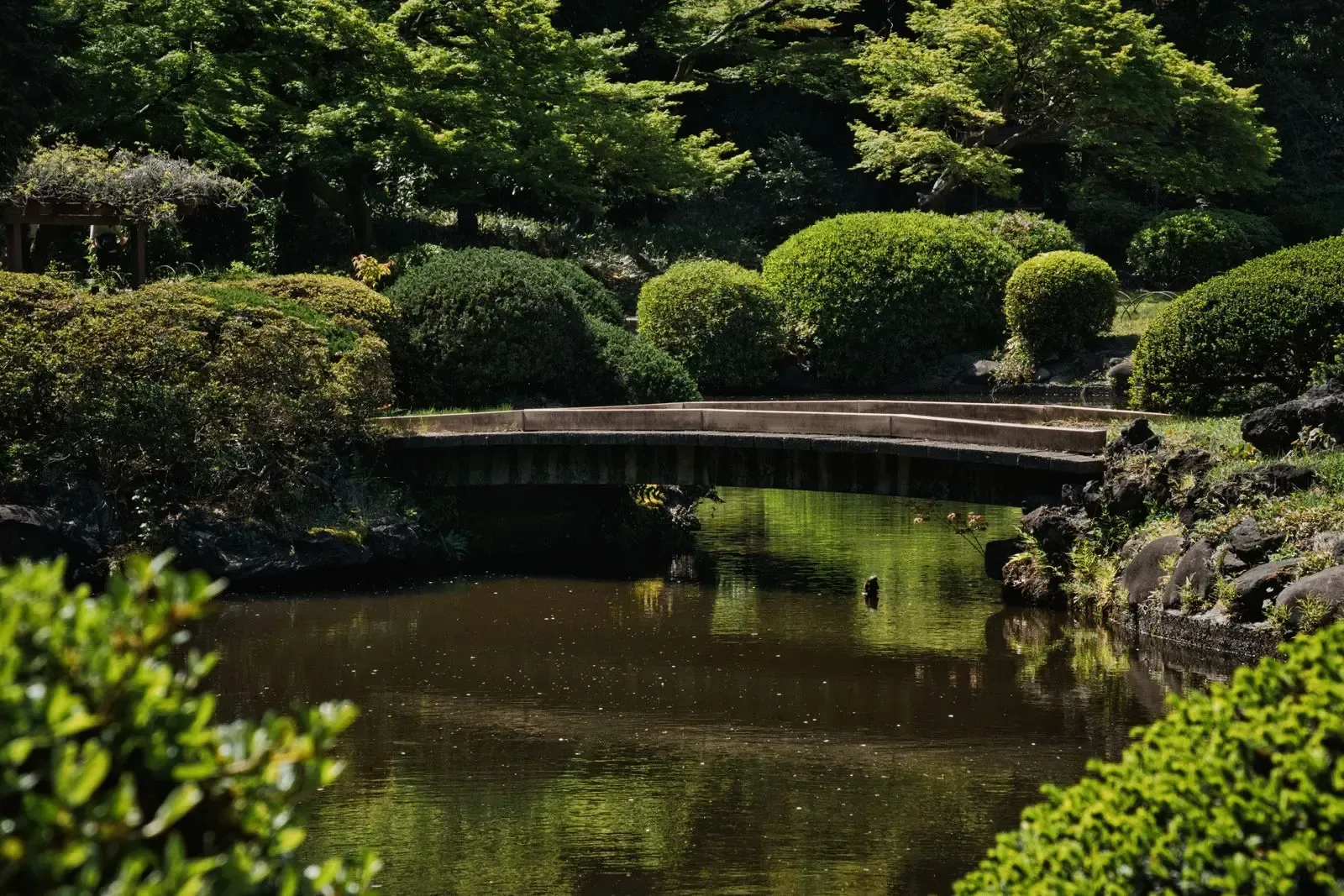
You don't need to visit all of them.
Choose one that fits naturally into your itinerary.
This is another reason we recommend resisting the temptation to fill every hour. A slower morning in a garden can make the rest of a busy Tokyo day considerably more enjoyable.
15. Leave room for something you didn't plan
This may be the easiest item on the list to ignore.
Don't.
Tokyo rewards curiosity unusually well. A station exit you didn't intend to take can lead to an interesting street. A restaurant found while hungry can become more memorable than one saved months earlier. A small shrine or neighborhood festival can interrupt your plans in the best possible way.
Research helps enormously in Tokyo, particularly when deciding where to stay and grouping neighborhoods efficiently.
But an itinerary shouldn't eliminate discovery.
If every meal, train, attraction and hour has already been assigned before you arrive, leave something out.
Tokyo will fill the space.
What should first-time visitors prioritize?
If you have limited time, don't try to complete all 15 experiences.
For a first trip, we would prioritize:
- Senso-ji and Asakusa
- Shibuya and Harajuku
- Meiji Jingu
- Shinjuku after dark
- one food-focused experience
- one Tokyo skyline view
- one neighborhood you explore slowly
Then build around your own interests.
Anime and gaming fans should give Akihabara more time. Museum lovers can expand Ueno into half a day or longer. Food-focused travelers may want Tsukiji, depachika and several restaurant neighborhoods in the itinerary.
Tokyo works better when your trip reflects why you wanted to visit in the first place.
Our Tokyo city guide can help with the bigger picture, while our guides to where to stay in Tokyo and how many days you need in Tokyo cover the two decisions worth making before building your daily itinerary.
Frequently asked questions
What should I not miss on my first trip to Tokyo?
For a first visit, Senso-ji and Asakusa, Shibuya, Meiji Jingu, Shinjuku after dark and at least one panoramic city view provide a good introduction to several different sides of Tokyo. Add experiences based on your interests rather than trying to visit every famous attraction.
How many days do you need to see Tokyo?
Four to five full days is a strong amount of time for most first-time visitors. Three days can work for the essentials, while six or seven gives you considerably more freedom to explore neighborhoods slowly or add a day trip. See our full guide to how many days you need in Tokyo.
Is Tokyo expensive for tourists?
Tokyo can accommodate very different budgets. Accommodation can be one of the larger expenses, but inexpensive restaurants, convenience stores, public parks, neighborhoods and free viewpoints make it possible to balance paid attractions with low-cost experiences.
Is Tokyo easy to explore without a tour?
Yes. Most major areas are well connected by rail and metro, and independent travel is practical. The size of the transport network can look intimidating initially, but it becomes easier once you start thinking in terms of neighborhoods and railway lines rather than the entire city at once.
What is the best area of Tokyo for first-time visitors?
For most first-time visitors, Shinjuku is our strongest all-around choice because of its transport connections and enormous range of restaurants, shopping and nightlife. Shibuya is excellent for contemporary Tokyo and nightlife, while Asakusa suits travelers who prefer traditional atmosphere. See our complete guide to where to stay in Tokyo.
Should I book Tokyo attractions in advance?
It depends on the attraction. Popular observation decks, museums with timed admission and limited-capacity experiences may benefit from advance reservations, particularly for specific dates or sunset times. Shrines, neighborhoods, markets and many parks generally require much less planning.
Can I see Tokyo without spending every day rushing?
Absolutely — but you need to resist treating the city as a checklist.
Group nearby neighborhoods together, choose a few priorities each day and leave time for meals and unplanned wandering. Tokyo is too large to “finish” in one trip, and trying to do so usually makes the experience worse rather than better.